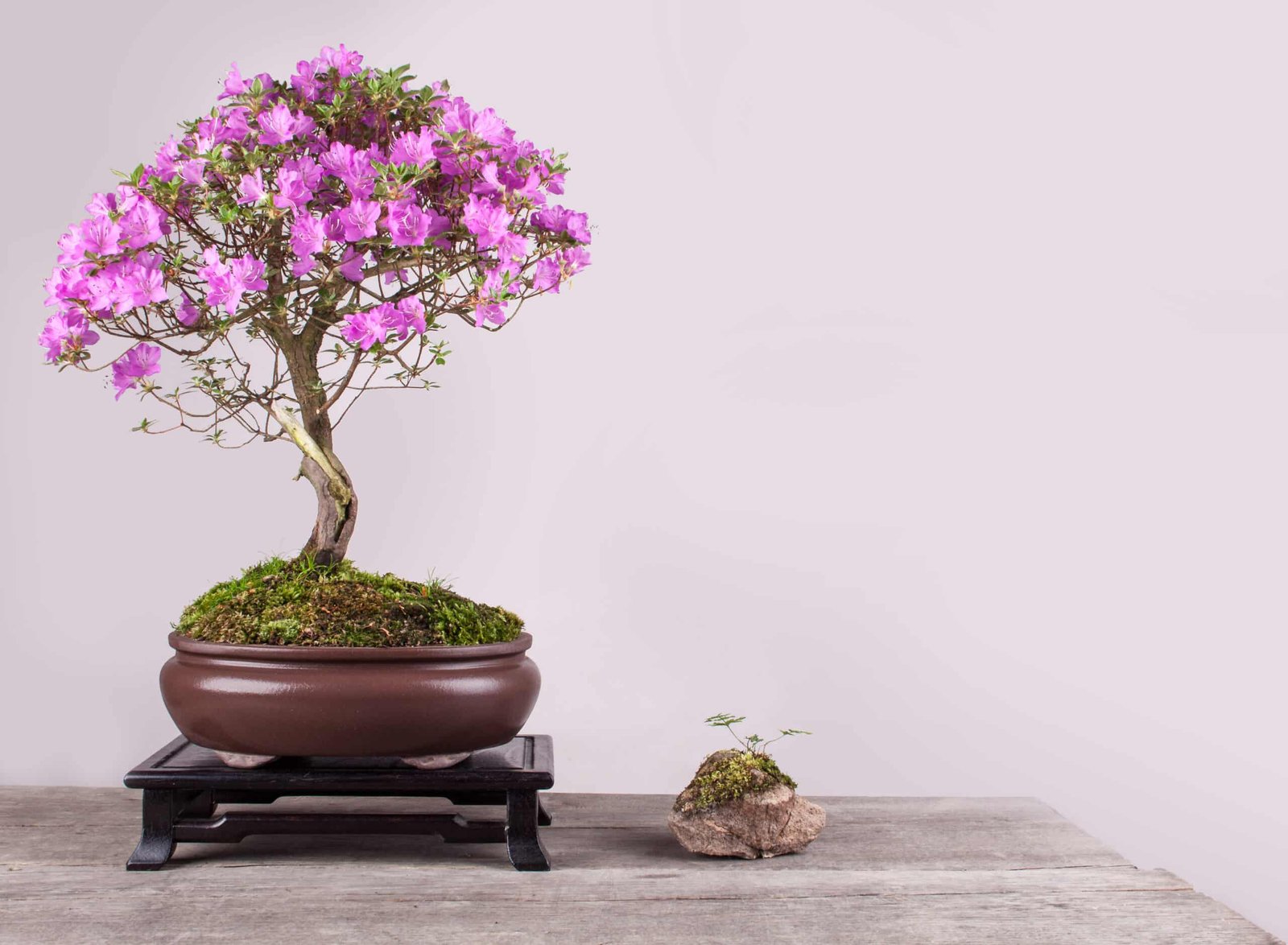
Have you ever found yourself captivated by the delicate beauty of bonsai trees? You're not alone.
These miniature marvels have been enchanting plant enthusiasts for centuries. But as you nurture your bonsai, a burning question might sprout in your mind: When do bonsai trees bloom? Understanding their blooming cycle is not just about satisfying curiosity. It’s about unlocking the secrets to a vibrant and thriving bonsai right in your living space.
Get ready to discover the fascinating world of bonsai blooms, and learn when you can expect your miniature tree to burst into a spectacle of colors. Stick around, and you’ll uncover tips to maximize their flowering potential, ensuring you enjoy a flourishing bonsai in its full glory.
Credit: www.bonsaiempire.com
Bonsai Tree Varieties
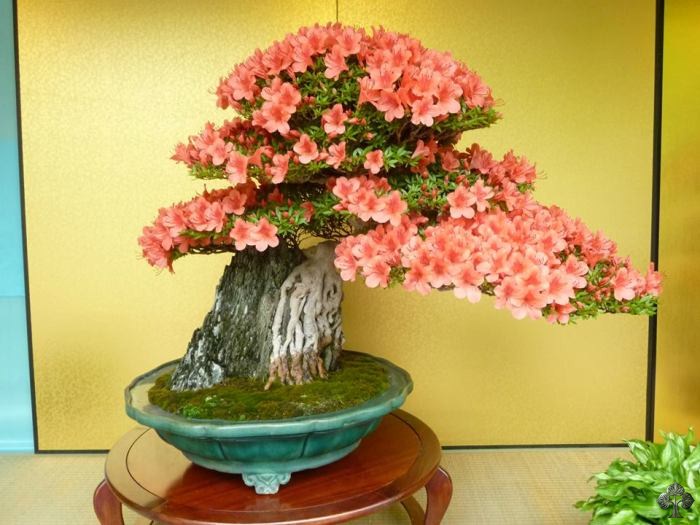
Bonsai trees bloom at different times based on their species. Cherry and plum varieties often flower in early spring. Azaleas display vibrant colors in late spring, while junipers and pines generally focus on foliage rather than flowers. Understanding the species helps anticipate their blooming period.
Bonsai trees are miniature wonders of nature that captivate with their intricate beauty. However, not all bonsai trees bloom the same way. Understanding the varieties can help you predict and enjoy their flowering times.
Popular Species
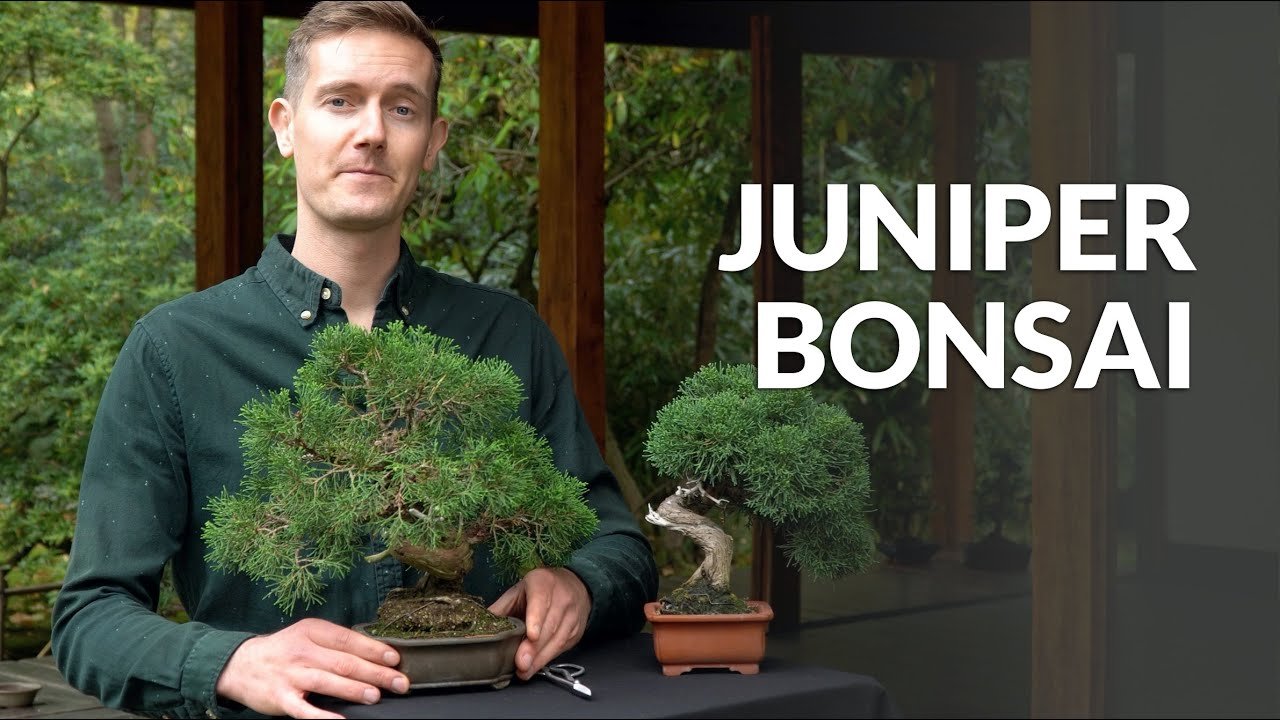
Among bonsai enthusiasts, certain species are favored for their unique characteristics. The Japanese Maple is cherished for its vibrant autumn colors, while the Juniper Bonsai is loved for its hardy nature and elegant form. The Cherry Blossom Bonsai offers delicate flowers that are a sight to behold in spring. Each species brings its own charm and bloom schedule.
Flowering Characteristics
The time when bonsai trees bloom can vary greatly depending on the species. Azalea Bonsai trees, for example, burst into colorful blooms in late spring to early summer. Bougainvillea Bonsai might surprise you with vibrant flowers throughout the year, thriving in warmer climates. Some bonsai, like the Crabapple Bonsai, produce not only flowers but also small fruits, adding an extra layer of interest to your collection. Have you ever wondered why your bonsai isn’t flowering as expected? Factors such as light, temperature, and care play a critical role. Ensuring your bonsai receives the right conditions might just encourage a stunning bloom. Imagine the joy of seeing your bonsai tree, nurtured with care, suddenly bloom with flowers. It’s not just about aesthetics; it’s a testament to your dedication and patience. What variety will you choose to cultivate next, and how will you ensure it reaches its full blooming potential?
Credit: www.bonsaiempire.com
Spring Blooming Bonsai
Spring brings a dazzling display to bonsai trees. This season awakens vibrant blooms. These blossoms transform bonsai into living art. Every tree has its unique bloom. Some bonsai trees are especially enchanting. They burst into colorful flowers. Let's explore two popular spring blooming bonsai trees.
Cherry Blossom Bonsai
Cherry Blossom Bonsai is a spring spectacle. Its delicate pink flowers captivate admirers. These blossoms symbolize renewal and beauty. The flowers appear in clusters. Each cluster has a soft, fragrant scent. The tree's graceful branches enhance its charm. Cherry Blossom Bonsai requires care and attention. Proper sunlight and water are essential. This bonsai rewards with breathtaking blooms.
Azalea Bonsai
Azalea Bonsai showcases vibrant colors in spring. Its flowers vary from white to deep red. These blooms create a striking display. Azalea Bonsai has a compact, bushy shape. Its leaves remain green all year. The flowers emerge from tight buds. They open into stunning blossoms. Azalea Bonsai needs acidic soil to thrive. Regular pruning maintains its shape. This bonsai blooms with vivid beauty.
Summer Blooming Bonsai
Bonsai trees are a testament to nature's artistry, compacted into miniature wonders. Among these, summer blooming bonsai bring vibrant bursts of color that captivate the eye and uplift the spirit. Watching your bonsai bloom in the warm months is truly a rewarding experience. It's almost like witnessing a tiny celebration of life right in your living space. But which bonsai trees bloom during summer?
Crepe Myrtle Bonsai
Crepe Myrtle bonsai is a favorite among enthusiasts for its stunning summer blooms. This bonsai offers clusters of delicate flowers that range from white to vibrant pink and red. Imagine the joy of seeing your bonsai tree become a miniature bouquet, adding vivid colors to your home.
These trees thrive best in sunny environments. A little sunlight each day can make a big difference in their blooming cycle. Consider placing your bonsai in a spot where it can soak up the sun. Regular pruning is also key. It keeps your Crepe Myrtle bonsai healthy and encourages more flowers.
Have you ever thought about how pruning can shape your bonsai's future? It's fascinating to see how simple actions can lead to an explosion of beauty. Are you ready to witness this transformation?
Bougainvillea Bonsai
Bougainvillea bonsai is another summer blooming beauty that demands attention. Known for its bold, papery bracts, this bonsai can transform any space into a summer paradise. The colors are striking—ranging from purple, pink, orange, to creamy white.
For a thriving Bougainvillea bonsai, regular watering is essential. These plants love moisture, but be careful not to overwater. Finding the right balance can be a fun challenge. Have you discovered the sweet spot for watering your bonsai yet?
Also, Bougainvillea enjoys a good trim. Pruning encourages new growth and can lead to more blooms. It's like giving your bonsai a fresh start each season. When was the last time you pruned your bonsai?
As you nurture these summer blooming bonsai, remember that each tree has its unique needs. Paying attention to details can lead to thriving blooms that brighten your world. Are you ready to witness your bonsai's vibrant transformation this summer?
Autumn Blooming Bonsai
As the crisp air of autumn sets in, bonsai enthusiasts find themselves eagerly anticipating a unique spectacle. Autumn blooming bonsai trees offer a mesmerizing display that adds vibrant color to gardens and homes. These miniature marvels, often neglected during other seasons, truly shine in the fall, captivating anyone who takes the time to appreciate their beauty.
Chrysanthemum Bonsai
Chrysanthemum bonsai are a delightful surprise during autumn. Known for their vivid and varied hues, these bonsai can transform any space with a splash of color. Imagine your bonsai garden glowing with shades of yellow, red, and pink.
Growing a chrysanthemum bonsai requires patience and a keen eye for detail. You’ll need to trim and shape regularly to maintain its form. But the effort pays off when you see those blooms emerge, brightening the autumn gloom.
Have you ever wondered why chrysanthemum bonsai are popular in autumn? They thrive in cooler temperatures and shorter days, making them a perfect fit for fall. As you care for your bonsai, observe how the changing seasons influence its growth.
Maple Bonsai
Maple bonsai are another autumn favorite, renowned for their stunning foliage. As autumn arrives, these bonsai trees undergo a dramatic transformation, with leaves turning fiery red, orange, and gold.
To nurture a maple bonsai, focus on watering and feeding as the season changes. It’s crucial to adjust your care routine to support the tree's natural cycle. Watching your maple bonsai evolve is like witnessing nature's artistry firsthand.
Are you ready to embrace the beauty of maple bonsai this autumn? Consider the joy of seeing your tree's colors shift, reflecting the season’s magic. With each passing day, your bonsai becomes a living testament to autumn’s vibrant spirit.
Autumn blooming bonsai trees offer a unique opportunity to connect with nature. As you cultivate these trees, think about how their seasonal changes mirror your own experiences. What lessons can your bonsai teach you about patience and transformation?
Winter Considerations
Bonsai trees bloom based on species and care. Most flower in spring, needing winter dormancy for vibrant blooms. Protect them from harsh cold to preserve their delicate beauty.
Winter can be a challenging time for bonsai enthusiasts. As temperatures drop, your bonsai trees need specific care to ensure they thrive and bloom beautifully. Winter considerations are crucial for maintaining the health of your bonsai, making this season an essential part of your yearly bonsai care routine.
Dormancy And Care
During winter, most bonsai trees enter a state of dormancy. This means they rest and conserve energy for the upcoming blooming season. Understanding dormancy is key to providing proper care. You might notice your bonsai looking lifeless, but don't worry. This is a natural part of their lifecycle. Focus on maintaining the right environment to support their dormant state. Ensure your bonsai gets enough sunlight, even in winter. Consider placing them near a window or using grow lights. Keep an eye on the soil's moisture. It's easy to overwater during dormancy, which can harm the roots. Check the soil regularly and only water when necessary. Have you ever tried adjusting your bonsai care routine in winter? It can be a rewarding experience that brings out the best in your trees.
Special Winter Blooms
Some bonsai trees surprise us with blooms even in winter. These winter blooms can add a touch of elegance to your indoor spaces. Winter-flowering bonsai, like the Japanese Apricot, can brighten up the cold months. Their delicate flowers are a joy to behold and offer a unique charm. To encourage winter blooms, ensure your bonsai receives adequate light and warmth. You might need to adjust their placement or use supplemental lighting. Think about how these unexpected winter blooms could transform your indoor garden. They offer a delightful contrast to the bare branches of other trees. What steps will you take to ensure your bonsai thrives this winter? Consider experimenting with different care techniques to discover what works best for your trees.

Credit: kellogggarden.com
Factors Influencing Bloom
Bonsai trees bloom influenced by factors such as species, climate, and care. Seasonal changes play a crucial role. Proper sunlight and watering enhance flowering periods, while pruning helps maintain health.
Understanding the factors that influence when bonsai trees bloom can be the key to nurturing a thriving miniature landscape. These small wonders depend on a delicate balance of conditions to display their vibrant blossoms. By adjusting elements like climate, watering, and nutrition, you can enhance your bonsai's blooming potential.
Climate And Environment
The climate is crucial for bonsai trees to bloom. Temperature and light are significant factors. Most bonsai trees require a period of cool dormancy followed by warmer temperatures to trigger blooming. Consider your geographical location. If you live in a region with harsh winters, you might need to provide protection or bring your bonsai indoors. A friend once shared how his bonsai thrived after moving it to a spot with consistent sunlight, which led to a beautiful display of flowers. Could a similar change enhance your bonsai's bloom?
Watering And Nutrition
Proper watering is vital, yet it's easy to overdo. Bonsai trees need just enough moisture to sustain them. Overwatering or underwatering can both hinder blooming. Check the soil regularly. It should be slightly damp, not soggy. Nutrient-rich soil is another essential factor. Adding the right fertilizers can provide the necessary nutrients for blossom production. I recall trying a new organic fertilizer on my bonsai, and it resulted in a more vibrant bloom season. Are you giving your bonsai the right balance of water and nutrients? Adjusting these elements might just lead to the bloom you've been hoping for. By paying close attention to these factors, you can create the perfect conditions for your bonsai to flourish.
Care Tips For Optimal Bloom
Bonsai trees are miniature wonders of nature. Achieving their bloom requires careful care. Each type of bonsai has its own needs. Yet, some general care tips apply to all. These tips ensure your bonsai tree blooms beautifully.
Pruning Techniques
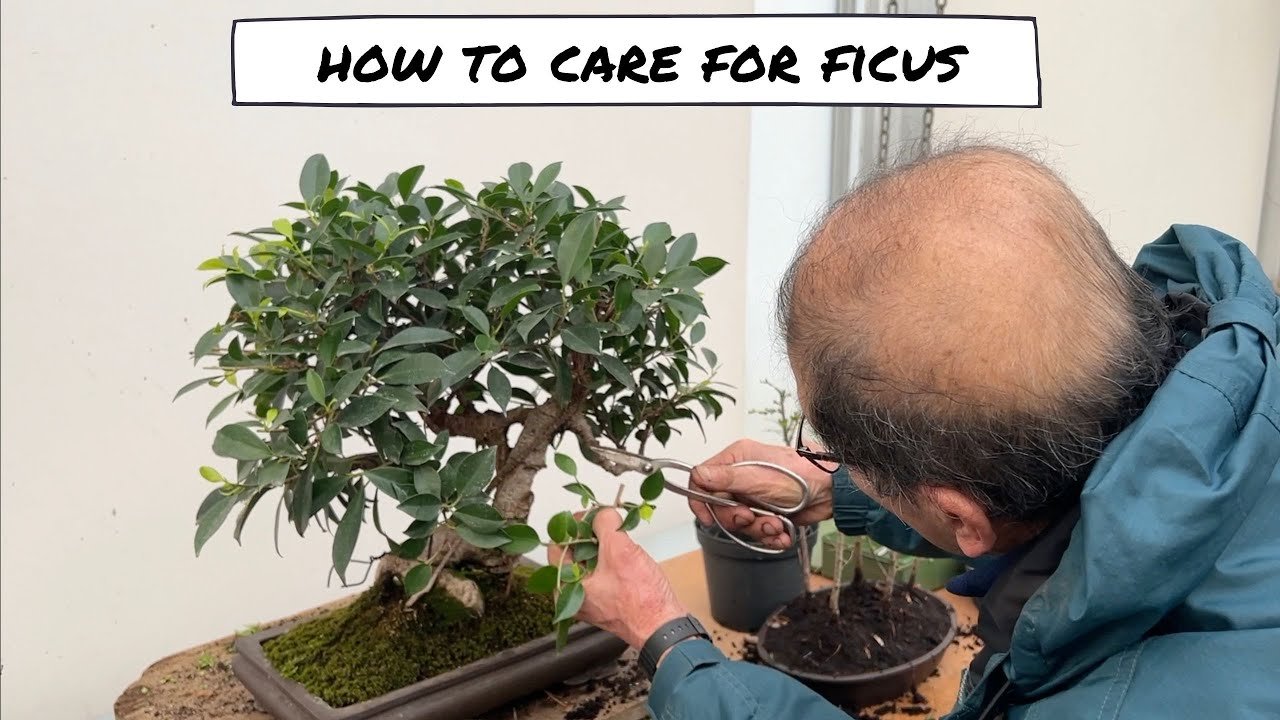
Pruning is vital for bonsai health. It shapes the tree and encourages blooming. Use sharp tools for clean cuts. Remove dead branches and excess growth. This helps the tree focus on blooming. Regular pruning keeps your bonsai in shape. It also prevents diseases.
Soil And Fertilization
The right soil mix is crucial. Bonsai trees need well-draining soil. This prevents root rot. Mix organic matter with grit for the best results. Fertilize your bonsai regularly. Use a balanced fertilizer for blooms. Follow the recommended dosage. Over-fertilizing can harm the tree.
Common Blooming Issues
Bonsai trees are a fascinating blend of art and nature, but their blooming can sometimes be hindered by various issues. Understanding these common blooming issues will help you nurture your bonsai to its full potential. Whether you're a seasoned enthusiast or a newcomer, tackling these challenges can be both rewarding and educational.
Pests And Diseases
One of the main culprits behind blooming problems is pests and diseases. Aphids and spider mites can wreak havoc on your bonsai tree. They damage the leaves, leaving them yellow and wilted. Diseases like root rot can also hinder blooming. It's crucial to keep a close eye on your bonsai for any signs of trouble.
Regularly inspect your bonsai for these unwanted guests. Use a magnifying glass if needed. You can combat these pests with natural solutions like neem oil or insecticidal soap. These methods are safe and effective, ensuring your bonsai remains healthy and vibrant.
Growth And Development Problems
Growth and development issues can prevent your bonsai from blooming. A common problem is improper pruning. Over-pruning can stress the tree, while under-pruning can lead to overcrowding. Both situations can inhibit blooming.
Consider the balance between growth and bloom. Are you pruning your bonsai correctly? Use sharp, clean tools to prune your bonsai, and aim to maintain its shape while encouraging growth. It's a delicate dance that requires patience and practice.
Additionally, inadequate sunlight can lead to weak growth. Bonsai trees need ample sunlight to thrive and bloom. Ensure your bonsai receives sufficient light, but avoid direct scorching sun which can harm the leaves.
Have you ever found yourself battling these issues? What strategies have you employed to ensure your bonsai blooms beautifully? Sharing your experiences can be a great way to learn and grow in your bonsai journey.
Frequently Asked Questions
What Is The Rule Of 3 In Bonsai Trees?
The rule of 3 in bonsai trees emphasizes balance, harmony, and proportion. It suggests grouping branches, roots, or features in threes. This creates a visually appealing and natural look, enhancing the tree's aesthetic. It's a fundamental guideline in bonsai design, promoting simplicity and elegance.
How To Get A Bonsai To Flower?
Ensure proper sunlight, watering, and fertilization for your bonsai. Prune regularly to encourage blooms. Maintain appropriate temperature and humidity levels. Choose species known for flowering.
How To Tell If Your Bonsai Is Happy?
A happy bonsai shows vibrant green leaves, strong growth, and healthy roots. It maintains a balanced shape and absorbs water efficiently. Pests or diseases are absent, indicating good health. Regular growth and vitality are clear signs of a thriving bonsai.
Ensure adequate light, water, and nutrients for its happiness.
What Is The Best Flower For A Bonsai Tree?
The best flower for a bonsai tree is the Azalea. It offers vibrant blooms and adapts well to bonsai techniques. Azaleas thrive in well-drained soil and require regular pruning. These flowering bonsais enhance any space with their colorful and delicate flowers, making them a popular choice among enthusiasts.
Conclusion
Bonsai trees bloom in various seasons, reflecting their unique species traits. Patience is key when nurturing these miniature beauties. With the right care, they display stunning flowers. Their blooms are a reward for dedicated cultivation. Understanding their cycles enhances your appreciation.
Each season brings different colors and forms. Observing these changes can be truly rewarding. Always remember, bonsai care needs consistency. Proper lighting, watering, and pruning are essential. Cherish each blooming phase. It's a journey of growth and beauty. Celebrate your bonsai's transformation.
Embrace the art of patience and care. Enjoy the vibrant blooms!