Are you wondering when the best time is to fertilize your trees and shrubs? Knowing the right moment can make all the difference in helping your plants grow strong and healthy.
Fertilizing at the wrong time might waste your effort and money or even harm your greenery. But don’t worry—you’re about to discover simple, clear tips that will help your trees and shrubs thrive year after year. Keep reading to find out exactly when and how to give your plants the boost they need.
Credit: www.turfpridelawncare.com
Best Seasons For Fertilizing
Fertilizing trees and shrubs helps them grow strong and healthy. Choosing the right season makes fertilizing more effective. The best times are usually spring and fall.
Fertilizing in the correct season supports root growth and prepares plants for changes in weather. Avoid fertilizing in harsh seasons to prevent damage.
Spring Fertilization Benefits
Spring is the best time to feed trees and shrubs as they start growing again. Fertilizer gives them energy for new leaves and flowers.
Applying fertilizer in spring helps plants recover from winter stress. It boosts growth and makes plants stronger for the summer.
- Promotes new leaf and flower growth
- Helps plants recover after winter
- Supports strong root development
- Prepares plants for warm weather
Fall Fertilization Advantages
Fertilizing in fall helps trees and shrubs store nutrients for winter. This strengthens roots and improves survival during cold months.
Fall fertilization supports early spring growth. Plants use stored nutrients to grow quickly once the weather warms up.
- Strengthens root systems before winter
- Improves cold weather resistance
- Stores nutrients for spring growth
- Prepares plants for dormancy
Avoiding Summer And Winter Fertilizing
Summer is not a good time to fertilize. Heat and drought can stress plants, and fertilizer may cause damage.
Winter fertilizing is also not recommended. Plants are dormant and cannot use nutrients. Fertilizer can wash away without benefit.
- Summer heat stresses plants after fertilizing
- Winter dormancy means plants do not absorb nutrients
- Fertilizer can harm plants in extreme weather
- Applying fertilizer in these seasons wastes resources
Credit: blog.davey.com
Signs Your Plants Need Fertilizer
Fertilizing trees and shrubs helps them grow strong and healthy. Plants show clear signs when they need nutrients.
Knowing these signs can help you decide the best time to fertilize. Watch your plants closely for changes.
Yellowing Leaves And Poor Growth
Leaves turn yellow when plants lack important nutrients like nitrogen. This weakens the plant’s ability to make food.
Poor growth is another sign. If your trees or shrubs grow slowly or look small, they may need fertilizer.
- Yellow leaves, especially older ones
- Slow or stunted growth
- Smaller leaves than usual
Weak Branches And Sparse Foliage
Branches may become thin and weak without enough nutrients. This makes plants less sturdy and more likely to break.
Sparse foliage means fewer leaves on the branches. This reduces the plant’s ability to capture sunlight and grow well.
- Thin, brittle branches
- Fewer leaves than normal
- Leaves falling off early
Soil Nutrient Deficiency Indicators
Soil lacking nutrients affects plant health. Testing soil can show if key minerals are missing.
Common signs include poor soil texture and low organic matter. These conditions limit nutrient availability.
- Soil feels hard or compacted
- Soil drains poorly or too fast
- Low organic material in soil
- Visible signs of nutrient imbalance in plants
Choosing The Right Fertilizer
Fertilizing trees and shrubs helps them grow strong and healthy. Picking the right fertilizer is key to getting good results.
Different fertilizers work best in different situations. Learn about your options before you fertilize.
Organic Vs. Synthetic Options
Organic fertilizers come from natural materials like compost and manure. They release nutrients slowly and improve soil health.
Synthetic fertilizers are made from chemicals. They provide nutrients quickly but do not improve soil structure.
- Organic fertilizers feed soil microbes and plants
- Synthetic fertilizers give a fast nutrient boost
- Organic options are safer for the environment
- Synthetic options are easy to apply and measure
Npk Ratios Explained
NPK stands for nitrogen, phosphorus, and potassium. These are the main nutrients plants need to grow well.
Fertilizer labels show numbers like 10-10-10. These numbers tell the percentage of each nutrient.
| Nutrient | Role in Plant Growth |
|---|---|
| Nitrogen (N) | Helps leaves and stems grow |
| Phosphorus (P) | Supports roots and flowers |
| Potassium (K) | Improves overall plant health |
Slow-release Vs. Quick-release Fertilizers
Slow-release fertilizers give nutrients over time. This reduces the chance of overfeeding and helps plants steadily.
Quick-release fertilizers work fast. They help plants recover quickly but may need repeated applications.
- Slow-release lasts weeks to months
- Quick-release acts within days
- Slow-release lowers risk of nutrient loss
- Quick-release is good for urgent feeding
Credit: realgreenservices.com
Fertilizing Techniques
Fertilizing trees and shrubs helps them grow strong and healthy. Choosing the right technique ensures the nutrients reach the roots well.
Different methods work best for different plants and soil types. Here are common ways to apply fertilizer effectively.
Applying Granular Fertilizer
Granular fertilizer comes in small pellets or grains. It releases nutrients slowly over time, feeding plants steadily.
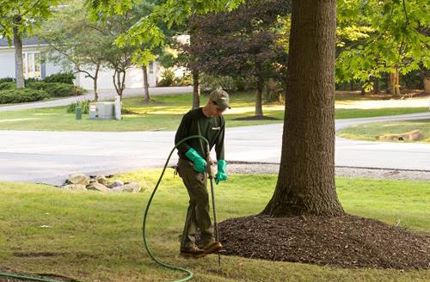
Spread the granules evenly under the tree or shrub’s drip line. Water the area after applying to help the fertilizer soak into the soil.
- Use a spreader for even coverage
- Apply in early spring or fall
- Avoid piling fertilizer near the trunk
- Water well after spreading
Using Liquid Fertilizer
Liquid fertilizer dissolves in water and feeds plants quickly. It is absorbed through roots and leaves fast.
Mix the fertilizer with water following package instructions. Apply it with a sprayer or watering can around the root zone.
- Feeds plants quickly
- Works well during growing season
- Apply every 2 to 4 weeks
- Avoid over-fertilizing to prevent damage
Fertilizer Spikes And Tablets
Fertilizer spikes and tablets are slow-release options. They provide nutrients steadily for weeks or months.
Insert spikes or tablets into the soil near the root zone. Space them evenly around the plant to cover a larger area.
- Easy to apply and mess-free
- Long-lasting nutrient supply
- Place spikes a few inches deep
- Use according to plant size and type
Special Considerations For Different Trees And Shrubs
Fertilizing trees and shrubs is important for their growth. Different types of plants have different needs. Knowing when and how to fertilize helps keep them healthy.
It is important to pay attention to the type of tree or shrub. This helps you give the right nutrients at the right time.
Evergreens Vs. Deciduous Plants
Evergreens keep their leaves all year. They need fertilizer early in spring. This helps new growth start strong.
Deciduous plants lose their leaves in fall. Fertilize them in early spring after leaves drop. This supports leaf and branch growth.
- Fertilize evergreens before new needles grow
- Fertilize deciduous plants after leaf fall or early spring
- Avoid late fertilizing for both to prevent weak growth
Flowering Shrubs Needs
Flowering shrubs need nutrients to bloom well. Fertilize them in early spring and again after flowering. This helps more flowers grow next season.
Use a fertilizer with higher phosphorus. Phosphorus supports strong flowers and roots.
- Fertilize in early spring before buds open
- Apply a second dose after the flowers fade
- Choose fertilizer with more phosphorus (middle number)
Fruit Trees Fertilizing Tips
Fruit trees need regular feeding for good fruit. Fertilize them in early spring before leaves grow. This helps fruit buds develop.
Young fruit trees need more nitrogen. Older trees benefit from balanced fertilizer to keep health and fruit quality.
- Fertilize fruit trees early in spring
- Use high nitrogen fertilizer for young trees
- Use balanced fertilizer for mature trees
- Avoid fertilizing late in the season
Avoiding Common Fertilizing Mistakes
Fertilizing trees and shrubs helps them grow strong and healthy. But using fertilizer the wrong way can hurt plants. Knowing when and how to fertilize is very important.
This guide explains common mistakes people make with fertilizing. Avoiding these errors will keep your plants safe and thriving.
Overfertilizing Risks
Adding too much fertilizer can damage trees and shrubs. It can burn roots and cause leaves to turn yellow or fall off. Overfertilizing can also pollute the soil and water.
Plants need just the right amount of nutrients. Too much fertilizer makes them weak and more likely to get diseases.
- Root damage from fertilizer burn
- Leaf yellowing and dropping
- Increased plant disease risk
- Soil and water pollution
Timing Errors
Fertilizing at the wrong time can waste nutrients and harm plants. Fertilizer in late fall or winter may not be used by plants and can wash away.
The best time to fertilize is usually early spring or late summer. This helps plants grow well and store energy for winter.
- Early spring helps new growth
- Late summer supports root growth
- Avoid fertilizing in late fall and winter
- Follow specific plant needs for timing
Ignoring Soil Testing
Soil tests show what nutrients your soil lacks. Without testing, you might add the wrong fertilizer. This can harm plants and waste money.
Soil testing helps you choose the right fertilizer type and amount. It also helps avoid adding too much of any nutrient.
- Know soil nutrient levels
- Choose fertilizer based on test results
- Avoid excess nutrients
- Retest soil every few years
Maintaining Soil Health For Long-term Growth
Fertilizing trees and shrubs helps them grow strong and healthy. Good soil health supports plants for many years. Healthy soil holds nutrients and water well.
Knowing when and how to fertilize keeps soil balanced. This helps plants get the food they need to thrive. Caring for soil is key to long-term growth.
Mulching Benefits
Mulching covers soil with organic material like leaves or bark. It keeps the soil moist and cool. Mulch also stops weeds from growing.
Mulch breaks down over time and adds nutrients back to the soil. It improves soil structure and helps roots grow better. Mulching is simple and protects soil health.
- Maintains soil moisture
- Prevents weed growth
- Adds organic matter to soil
- Protects roots from temperature changes
Composting Practices
Composting turns kitchen scraps and yard waste into rich soil food. Adding compost improves soil texture and fertility. It provides slow-release nutrients to plants.
Use compost around trees and shrubs instead of chemical fertilizers. Compost helps soil hold water and air. It also supports helpful soil microbes.
- Increases nutrient levels in soil
- Improves soil structure
- Supports beneficial microbes
- Reduces need for chemical fertilizers
Ph Balance Importance
Soil pH measures how acidic or alkaline soil is. Most trees and shrubs grow best in slightly acidic to neutral soil. If pH is wrong, plants cannot absorb nutrients well.
Test soil pH before fertilizing. Add lime to raise pH or sulfur to lower pH. Keeping pH balanced helps plants use fertilizers efficiently and stay healthy.
- Ideal pH range: 6.0 to 7.0 for most plants
- Low pH means acidic soil
- High pH means alkaline soil
- Adjust pH based on soil test results
Frequently Asked Questions
When Is The Best Time To Fertilize Trees?
The ideal time to fertilize trees is during early spring or late fall. Fertilizing in early spring supports new growth. Late fall fertilization helps roots store nutrients for winter. Avoid fertilizing in late summer as it can stimulate growth susceptible to frost damage. It's crucial to understand when to fertilize trees to ensure they receive the nutrients they need at the right time. Additionally, consider soil testing to determine nutrient levels and specific needs, which can help in making informed decisions about fertilization. Proper timing and application can significantly contribute to the overall health and vitality of your trees.
How Often Should You Fertilize Shrubs?
Fertilize shrubs once or twice annually, depending on their growth needs. Early spring is the best time for most shrubs. Some shrubs benefit from a second application in late summer. Always follow specific recommendations for each shrub type for optimal results.
Can You Fertilize Trees In Summer?
It's generally not recommended to fertilize trees in summer. Summer fertilization can lead to excessive growth vulnerable to pests and diseases. Additionally, the heat and drought conditions can stress trees. It's better to focus on watering and mulching during summer months.
What Type Of Fertilizer Is Best For Trees?
A balanced, slow-release fertilizer is ideal for most trees. This type provides nutrients over time, reducing the risk of over-fertilization. Choose a fertilizer with equal parts nitrogen, phosphorus, and potassium. Always consider specific tree species and soil conditions for tailored recommendations.
Conclusion
Fertilizing trees and shrubs at the right time helps them grow strong. Early spring and late fall are usually best. Avoid fertilizing during hot summer months or deep winter. Use the right type and amount of fertilizer for each plant.
Watch for signs of nutrient needs, like yellow leaves. Healthy trees and shrubs improve your garden’s beauty and value. Careful timing and proper feeding keep plants healthy all year. Simple steps make a big difference in plant growth. Keep your garden thriving with smart fertilizing habits.