Have you ever wondered about the secret to keeping your trees healthy and vibrant year-round? The key could be in the timing of your fall fertilization.
Knowing when to fertilize trees in the fall can make a world of difference in their growth and resilience. By understanding the perfect timing, you can give your trees the nutrients they need to thrive through the colder months and burst back to life come spring.
Intrigued? Stay with us as we unravel the best practices for fall tree fertilization, ensuring your trees remain the pride of your landscape.

Credit: www.youtube.com
Optimal Fall Fertilization Period
Fertilize trees in early fall, when soil temperatures drop below 70°F. This timing helps roots absorb nutrients effectively. Providing nutrients before winter ensures healthy growth in spring.
The fall season is a crucial time for tree care, particularly when it comes to fertilization. Understanding the optimal period for fertilizing your trees during fall can make a significant difference in their health and growth. As the leaves change color and temperatures drop, trees prepare for their dormant phase. This is when they need a nutrient boost to store energy for the harsh winter months ahead.
Understanding Tree Dormancy
As the days get shorter, trees enter a phase known as dormancy. During this period, their growth slows down, but they continue to absorb nutrients. Fertilizing at the right time ensures they have enough reserves to survive winter and thrive in spring.
Mid To Late Fall Timing
The best time to fertilize trees in the fall is typically from mid to late fall. This timing allows trees to absorb nutrients before the ground freezes. Aim for after leaf drop but before the first hard frost, when the soil is still warm enough for roots to take in nutrients.
Weather Considerations
Weather plays a crucial role in determining the exact timing for fall fertilization. Monitor local forecasts for frost dates and soil conditions. A mild fall with warmer soil means trees can take up nutrients more efficiently.
Soil Testing For Precision
Before you apply fertilizer, consider conducting a soil test. This helps identify nutrient deficiencies and tailor the fertilizer to your trees' specific needs. A precise approach prevents over-fertilization, which can harm trees rather than help them. Select a slow-release fertilizer high in phosphorus and potassium. These nutrients support root growth and energy storage. Avoid nitrogen-rich fertilizers in the fall, as they can promote unwanted leaf growth instead of root development.
Personal Experience Insight
I once fertilized my maple tree too early in fall, and it resulted in a flush of new growth just before a cold snap. This mistake taught me the importance of timing. Now, I wait until the leaves have fallen and ensure the soil is still warm for optimal absorption.
Ensuring Consistent Care
Are you ready to give your trees the care they deserve this fall? Remember, consistent and well-timed fertilization can be the difference between a tree that just survives and one that thrives. Your trees rely on you for their seasonal needs, so mark your calendar and prepare to nurture them through the colder months.
Credit: ryanlawn.com
Signs Your Trees Need Fertilization
Fertilizing trees in the fall is crucial for their health and growth. To know when trees need fertilization, look for specific signs. Healthy trees thrive and show vibrant growth. If your trees lack these qualities, they might need extra nutrients. Recognizing these signs early helps in maintaining their vitality.
Signs Of Yellowing Leaves
Yellow leaves indicate nutrient deficiency. Trees often lack essential elements like nitrogen. This deficiency causes leaves to lose their green color. Yellowing leaves are a clear sign your tree needs fertilization.
Slow Growth Rate
Healthy trees grow steadily over time. If growth seems sluggish, it might be due to poor nutrition. Fertilizing can enhance growth and ensure your tree develops properly.
Leaf Drop Out Of Season
Leaves should fall in autumn naturally. If they drop prematurely, it signals stress. This stress often stems from insufficient nutrients. Fertilization can help restore balance.
Poor Flower Or Fruit Production
Fruit trees should produce abundantly. If fruit or flowers are scarce, consider fertilization. Nutrient-rich soil supports better yields and overall tree health.
Weak Branches Or Twigs
Branches should be strong and sturdy. Weak twigs may break easily, indicating nutrient issues. Fertilizing can strengthen branches, making them less prone to damage.
Choosing The Right Fertilizer
Choosing the right fertilizer is crucial for healthy tree growth. Fall is an ideal time to fertilize trees, but selecting the correct type is essential. Different trees have different needs, and understanding these can help you make informed decisions. Let's explore the types of fertilizers and the nutrient requirements for trees.
Types Of Fertilizers
There are several types of fertilizers available. Organic fertilizers are made from natural sources. They improve soil health and provide slow-releasing nutrients. Common organic options include manure, compost, and bone meal. Inorganic fertilizers, or chemical fertilizers, contain concentrated nutrients. They offer quick results but can harm soil health over time.
Granular fertilizers come in dry form and can be sprinkled around the tree base. They offer a slow release of nutrients. Liquid fertilizers are mixed with water and applied directly to the soil or leaves. They provide fast-acting nutrients. Each type has its benefits, depending on tree needs and soil condition.
Understanding Nutrient Requirements
Trees require specific nutrients for optimal growth. Nitrogen, phosphorus, and potassium are vital. Nitrogen promotes leaf growth and green color. Phosphorus is crucial for root development and flower production. Potassium strengthens the tree and helps resist diseases.
Micronutrients like iron, zinc, and manganese are also important. They support overall tree health and growth. Soil tests can determine nutrient deficiencies. This helps in choosing the right fertilizer. Healthy trees start with balanced nutrition.

Credit: www.facebook.com
Application Techniques
Fertilizing trees in the fall prepares them for winter and promotes healthy spring growth. Apply fertilizer after leaves drop and before the ground freezes. This timing helps roots absorb nutrients effectively.
Applying the right fertilization techniques can make a significant difference in your trees' health and growth. As fall approaches, it's crucial to understand how to effectively deliver nutrients to your trees. The way you apply fertilizer can influence how well your trees absorb these essential nutrients. Here, we'll explore some practical application methods to ensure your trees thrive.
Surface Application
Surface application is straightforward and effective for many types of trees. Simply spread the fertilizer evenly around the base of your tree, focusing on the area beneath the canopy. This method mimics how trees naturally receive nutrients from decomposing organic matter. Use a granular fertilizer for easy distribution. If using a liquid formula, ensure it is diluted properly to prevent burning the roots. Water the area thoroughly after applying to help nutrients reach the root zone.
Deep Root Fertilization
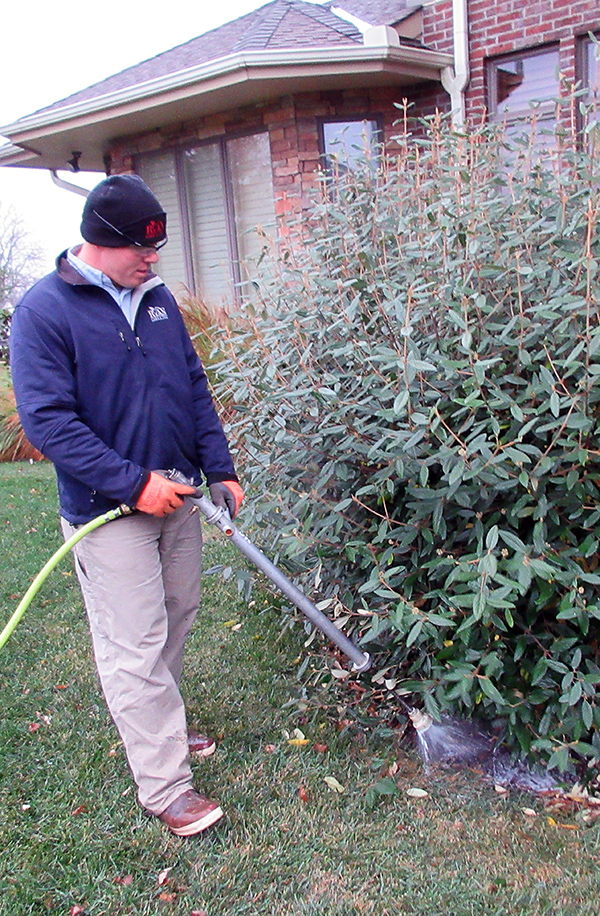
Deep root fertilization targets the roots directly, delivering nutrients where they are needed most. This method involves injecting liquid fertilizer into the soil at various depths. Consider this approach if your trees show signs of nutrient deficiency or poor growth. It can be especially beneficial for mature trees with extensive root systems. Professional tools are often used, but you can rent them if you're doing it yourself. Ensure the soil is moist before starting to aid in nutrient absorption. Have you ever noticed how some trees in your neighborhood seem to flourish while others struggle? It might be the technique used to fertilize them! Which method will you try this fall?
Common Mistakes To Avoid
Choosing the right time to fertilize trees in fall is crucial. Applying too early or late can harm growth. Avoid fertilizing before leaves start changing color, as it might promote unwanted growth.
Fertilizing trees in the fall can support their growth. Yet, many gardeners make mistakes that hinder their efforts. Understanding common pitfalls will help ensure healthy trees and fruitful gardens.
Using Too Much Fertilizer
Applying excessive fertilizer harms trees. It can burn roots and cause stress. Use a balanced amount for best results.
Fertilizing Too Late
Late fertilization is ineffective. Trees need nutrients before winter. Apply fertilizer in early fall for proper absorption.
Ignoring Soil Conditions
Consider soil type before fertilizing. Different soils require varied treatments. Test soil to find the right fertilizer.
Wrong Fertilizer Type
Not all fertilizers suit every tree. Choose one tailored to your tree species. Read labels carefully to match needs.
Skipping Watering After Fertilization
Watering helps fertilizer reach roots. Dry soil limits nutrient absorption. Ensure soil is moist after application.
Expert Tips For Successful Fertilization
Fertilizing trees in the fall ensures they absorb nutrients well. Late September to early October is ideal. This timing strengthens roots before winter.
When it comes to fertilizing trees in the fall, timing and technique are crucial for ensuring healthy growth and robust trees. Expert tips can guide you through this process, offering insights that can transform your garden into a lush, thriving oasis. Let's dive into practical advice that you can easily apply, ensuring your trees receive the nutrients they need at the right time.
Understanding Tree Needs
Each tree species has unique nutritional requirements. Knowing what your trees need helps in selecting the right fertilizer. Is your tree's growth stunted or are the leaves discolored? These signs might indicate specific nutrient deficiencies that need addressing. Selecting the appropriate fertilizer is paramount. Look for options with balanced nutrients that cater to your tree's specific needs. Granular fertilizers are often recommended for their slow-release properties, providing a steady stream of nourishment throughout the season.
Timing Your Fertilization
The timing of fertilization in fall is critical. Ideally, you should aim for late fall, after the leaves have dropped but before the ground freezes. This timing ensures that trees absorb nutrients efficiently, preparing them for the winter months. How you apply fertilizer can make a significant difference. Consider using a broadcasting method for even coverage. Ensure you apply at the recommended rate to avoid over-fertilization, which can harm your trees rather than help them.
Monitoring Tree Health
Regularly monitor your trees after fertilization. Look for signs of improvement in leaf color and growth patterns. Are the leaves greener and more vibrant? These indicators can help you gauge the effectiveness of your fertilization efforts.
Adapting To Weather Changes
Weather conditions can influence fertilization success. Be prepared to adjust your strategy if unexpected temperature changes occur. Warm autumns might require delaying fertilization, while early freezes might necessitate a quicker application. Taking the time to understand and implement these expert tips can lead to healthier, more resilient trees. Are you ready to give your trees the care they deserve this fall?
Monitoring Tree Health Post-fertilization
Fertilize trees in early fall for best results. Monitor tree health post-fertilization for optimal growth and vitality. Adjust care as needed based on tree response.
Monitoring the health of your trees after fertilization in the fall is crucial to ensuring they thrive throughout the colder months and into the spring. Observing changes can help you understand how well your trees are adapting and if the fertilization was effective. This period of observation is not just about ensuring survival, but about promoting robust growth and resilience.
Check For Visible Signs Of Growth
After fertilizing your trees, keep an eye out for new bud formation or leaf growth. These are positive signs that the nutrients are being effectively absorbed. If you notice vibrant color in the leaves or a thickening of branches, your fertilization efforts are likely on point.
Observe Leaf Color And Texture
Healthy trees often exhibit rich, deep greens or the appropriate seasonal colors. Feel the leaves for texture—are they firm and supple? If they’re wilting or discolored, it might indicate a nutrient imbalance or other underlying issues.
Monitor Soil Moisture Levels
Even in the fall, maintaining appropriate soil moisture is key. Use a soil moisture meter to avoid over or under-watering, which can affect nutrient uptake. Dry soil can prevent nutrients from reaching the roots, while overly saturated soil might lead to root rot.
Assess Bark And Branch Health
Inspect the bark and branches for any signs of disease or pest infestations. Healthy bark should appear smooth and free of cracks or lesions. If you spot any unusual markings or insect activity, it may require immediate attention to prevent further damage.
Evaluate Root Zone Health
The root zone is the tree's lifeline. Consider gently digging around the base of the tree to assess root health. Look for roots that are firm and white, indicating they are healthy. Dark or mushy roots can signal problems that need addressing.
Document Changes And Adjust Care
Keep a journal or digital log of your observations. Note any significant changes in appearance or growth. Use this information to adjust care practices, ensuring your trees receive exactly what they need to flourish.
Seek Professional Advice When Needed
If you're unsure about your observations or the health of your trees, don't hesitate to consult an arborist. Professionals can offer insights and recommendations based on your specific circumstances. Sometimes an expert eye can spot issues that are easy to miss. Regular monitoring and attentive care post-fertilization can make all the difference. Are your trees ready to face the winter ahead with strength? Your observations and actions can set the foundation for a thriving spring.
Frequently Asked Questions
Should You Fertilize A Tree In The Fall?
Fertilizing trees in fall can promote root growth before winter. Use a slow-release, low-nitrogen fertilizer. This supports tree health and prepares them for spring growth. Avoid fertilizing late in fall as it may stimulate unwanted growth. Always follow specific tree needs and local climate guidelines.
Is October Too Late To Fertilize?
October is generally a suitable time to fertilize. Cool-season grasses benefit from fall fertilization. Use a winterizer fertilizer for best results. Adjust timing based on local climate and grass type. Always follow product instructions and local guidelines for optimal growth.
What Happens If You Fertilize A Tree Too Early?
Fertilizing a tree too early can harm its roots and hinder growth. Excess nutrients may cause soil imbalance. Young trees might suffer nutrient burn, leading to weak development. Always check seasonal timing before applying fertilizers to ensure optimal health and growth.
Proper care ensures a thriving tree.
How Late In The Season Can You Fertilize Trees?
Fertilize trees until late fall before the ground freezes. Apply nutrients when trees enter dormancy. Avoid fertilizing during winter to prevent damage. Check local guidelines for specific timing and recommendations. Proper fertilization boosts tree health and growth.
Conclusion
Timing matters for fall tree fertilization. Early fall is ideal. Trees absorb nutrients before winter. Choose the right fertilizer for your tree type. Follow the manufacturer's instructions carefully. Water trees after applying fertilizer. Avoid over-fertilizing. This can harm your trees. Additionally, it's important to monitor your trees throughout the fall and winter months for any signs of stress or nutrient deficiency. When spring arrives, understanding when to water trees in spring is crucial, as this helps promote healthy growth after their winter dormancy. Keeping a consistent watering schedule during this period will further support your trees' recovery and vitality.
Healthy trees grow strong and resist diseases. Fertilizing supports their growth. It’s an essential part of tree care. Remember to check local guidelines. They might have specific recommendations. Proper fertilization helps trees thrive. It prepares them for the challenges of winter.
Your trees will thank you with lush growth in spring. Happy gardening!