Have you ever looked at your bonsai tree and wondered when the perfect time is to prune it? If you’re nodding your head, you’re not alone.
Pruning is essential to keeping your bonsai healthy and looking its best. But knowing when to make those crucial cuts can be a bit tricky. You might worry about cutting too soon or waiting too long. Imagine the satisfaction of having a perfectly pruned bonsai that reflects your care and attention.
This article will unravel the mysteries of bonsai pruning timing, giving you the confidence to nurture your miniature masterpiece. Dive in to discover the secrets that will transform your bonsai care routine and elevate your tree’s appearance.

Credit: homegrown-garden.com
Best Seasons For Pruning
Pruning a bonsai tree is best in early spring or late fall. These seasons allow for optimal growth and healing. Avoid trimming during the peak of summer or winter to protect the tree's health.
Pruning a bonsai tree is an art that requires timing. Knowing the best seasons for pruning can make a significant difference in your tree's health and appearance. Each season brings unique opportunities and challenges. Let's explore when and why you should prune your bonsai tree to help it thrive.
Spring Pruning Benefits
Spring is a season of growth and renewal. Pruning during this time can invigorate your bonsai tree. New buds are forming, and energy flows abundantly through the branches. Trimming in spring helps shape the tree and encourages a robust structure. It's the perfect time to remove any dead or unwanted branches. Keep an eye out for areas where growth seems too vigorous and balance it out. I once pruned my juniper bonsai in early spring. The tree responded with vibrant, lush foliage. Have you noticed how some branches grow faster than others? Spring pruning can help manage this disparity.
Summer Pruning Considerations
Summer pruning requires caution. The hot weather can stress your bonsai if not pruned correctly. Focus on minor adjustments rather than major cuts. Removing excess foliage can improve airflow and sunlight penetration. This step is crucial for preventing diseases. However, be mindful not to expose too much of the tree to harsh sunlight. One summer, I pruned my bonsai too aggressively. The tree struggled under the sun's intensity. Avoid my mistake by pruning in the early morning or late afternoon when it's cooler.
Fall Pruning Guidelines
Fall is a time for preparation. As your bonsai winds down for the winter, pruning can help it conserve energy. Focus on cleaning up the tree rather than heavy shaping. Remove dead leaves and any remaining weak branches. This will help your bonsai focus its resources on strong, healthy growth. Fall is also ideal for assessing the tree's overall shape and planning for the next growing season. Last autumn, I carefully pruned my bonsai, removing only what was necessary. The tree entered winter in excellent condition. Have you ever pruned in fall and noticed a difference in your bonsai's spring growth? The results can be rewarding. In each season, consider your bonsai’s specific needs and your local climate. What season do you find most effective for pruning your bonsai?
Recognizing Growth Patterns
Bonsai trees require careful attention to maintain their artistic form. Understanding growth patterns is vital for timely pruning. This ensures your bonsai remains healthy and visually appealing. Different species exhibit unique growth habits. Identifying these patterns helps pinpoint when pruning is necessary.
Identifying New Growth
New growth often appears as bright green shoots. These shoots indicate the tree is actively growing. During the spring, new leaves and branches emerge rapidly. This is a good time to prune and shape your bonsai. Trimming new growth directs energy to mature parts of the tree. This helps maintain its desired shape and encourages healthy development.
Signs Of Overgrowth
Overgrowth can lead to a crowded appearance. Branches may start intertwining. This can block sunlight and airflow. Leaves might become dense, covering the trunk. In such cases, pruning becomes crucial. Removing excess growth restores balance. This improves the tree's health and enhances its aesthetic appeal. Regular checks help prevent overgrowth from impacting your bonsai's structure.
Tools For Effective Pruning
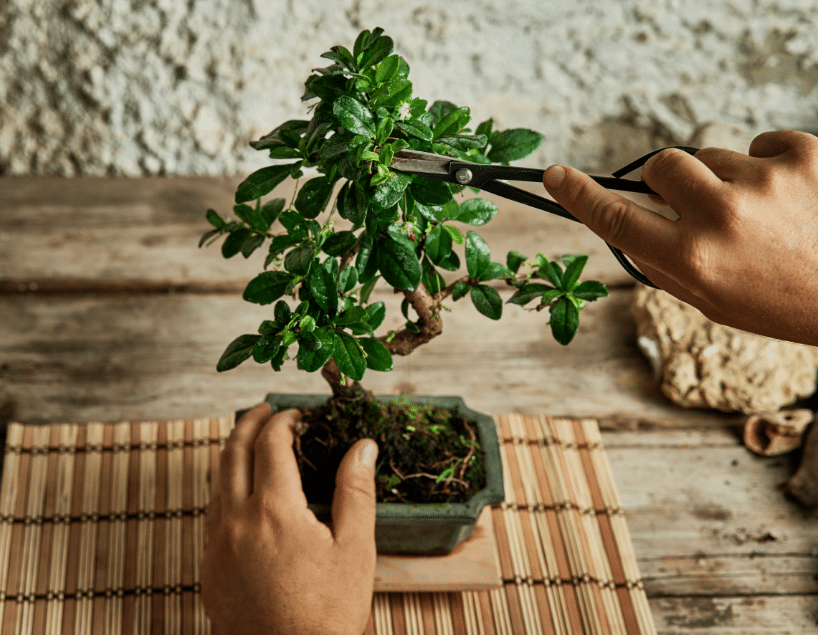
Determining the right time for bonsai pruning ensures healthy growth. Early spring is ideal for structural pruning. Use sharp tools like scissors and shears to maintain shape and encourage new growth effectively. Proper timing and tools help create a balanced and beautiful bonsai tree.
Pruning a bonsai tree is an art, one that requires precision and care. But without the right tools, even the most experienced gardener can struggle to maintain the delicate balance of nature and creativity that bonsai demands. Investing in high-quality tools not only makes the task easier but also ensures the health and beauty of your bonsai tree. Let’s dive into the essentials you need to get started.
Essential Pruning Tools
When you begin pruning your bonsai, you should have a few essential tools on hand. Concave cutters are vital for making precise cuts that heal quickly and blend seamlessly with the trunk. They allow you to remove branches without leaving stubs. Pruning shears are another must-have. Look for a pair that fits comfortably in your hand. A good pair of shears will help you trim leaves and small branches with ease. Don't forget the knob cutters. These are perfect for removing larger branches or roots without damaging the surrounding area. Lastly, a fine-toothed bonsai saw is useful for cutting through thicker branches. Have you ever tried using a tool not suited for the task? It's like trying to cut paper with dull scissors—frustrating and ineffective. The right tool can make all the difference in your pruning experience.
Maintenance Of Pruning Tools
Just as your bonsai tree requires regular care, so do your tools. Keeping them in top condition ensures they perform well and last longer. After each use, clean your tools with warm, soapy water to remove sap and dirt. This simple step prevents rust and keeps them sharp. Sharpening your tools regularly is crucial. Dull tools can cause jagged cuts that harm the tree. Use a sharpening stone to maintain a sharp edge. Consider the storage of your tools as well. Store them in a dry place to prevent moisture damage. Using a bit of oil on the blades can also protect them from rust. What’s your routine for tool maintenance? Developing a habit of caring for your tools can lead to a more rewarding bonsai experience. Remember, effective pruning is not just about skill but also about the right equipment. With the proper tools and maintenance routine, you can ensure your bonsai tree thrives beautifully.
Credit: wazakurajapan.com
Techniques For Different Bonsai Types
Pruning bonsai trees requires understanding their growth cycles. For deciduous bonsai, trim in late winter or early spring. Evergreen bonsai benefit from pruning in early spring and mid-summer. Each bonsai type demands careful timing to ensure healthy growth and aesthetic balance.
Pruning a bonsai tree is more than just snipping branches; it's about understanding the unique requirements of different bonsai types. Each bonsai variety demands specific techniques to thrive, and mastering these can transform your bonsai from ordinary to extraordinary. Let's dive into tailored pruning strategies for deciduous, conifer, and tropical bonsai trees.
Deciduous Bonsai Care
Deciduous bonsai trees, like maples or elms, require special attention during the dormant winter months. This is when their structure is most visible. Focus on removing dead or crossing branches to enhance the shape. A friend once told me that pruning his maple in winter revealed an elegant branch pattern he hadn't noticed before. Consider the tree's natural growth habits. How can you enhance its beauty while maintaining health? Spring brings new growth, and careful pruning can direct energy to the most promising areas.
Conifer Bonsai Strategies
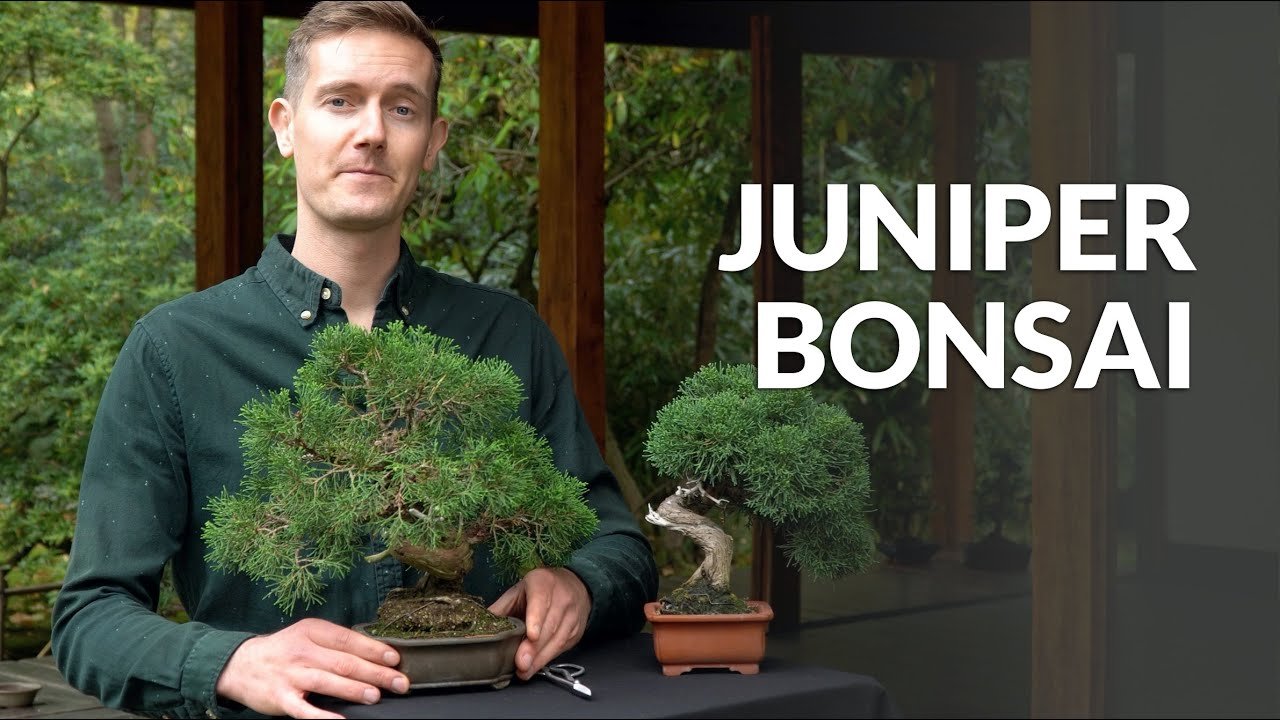
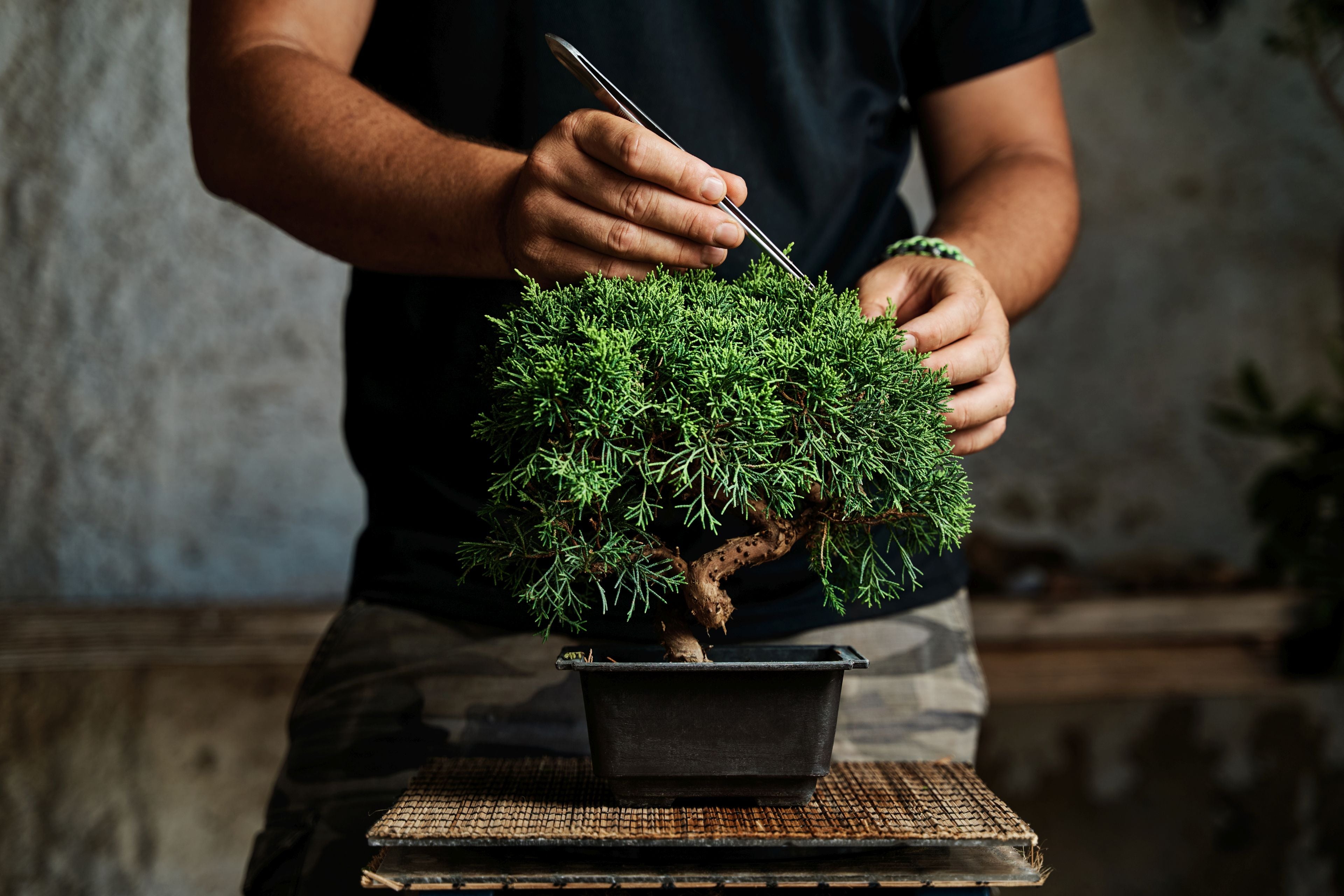
Conifers, such as pines and junipers, have their own set of rules. They thrive with regular maintenance, but timing is everything. Pinch back new growth with your fingers in late spring or early summer, rather than cutting with scissors. This technique prevents brown tips and encourages fuller foliage. I once experimented with scissor pruning on a juniper, only to find unsightly brown edges. Pinching made all the difference. When you prune, envision the tree's future shape. Are you guiding it towards its natural form or creating an artistic masterpiece?
Tropical Bonsai Pruning
Tropical bonsai trees, like ficus or jade, grow year-round, offering endless opportunities for shaping. Regular pruning keeps them compact and manageable. Trim back long shoots and leaves to encourage dense growth. I found that my ficus responded well to frequent light pruning, resulting in a lush canopy. These trees can handle more aggressive pruning due to their rapid growth. But, how do you balance growth with aesthetics? It's a dance between nurturing and artistry, and your choices will define your bonsai's character. Engaging with your bonsai can be a deeply rewarding experience. Do you see it as a living sculpture or a reflection of your dedication? Each snip is a step towards a perfect harmony between nature and nurture.
Signs It's Time To Prune
Pruning a bonsai tree is essential for its health and beauty. Knowing when to prune ensures your tree thrives. Observing certain signs can help you decide the right time.
Detecting Unbalanced Growth
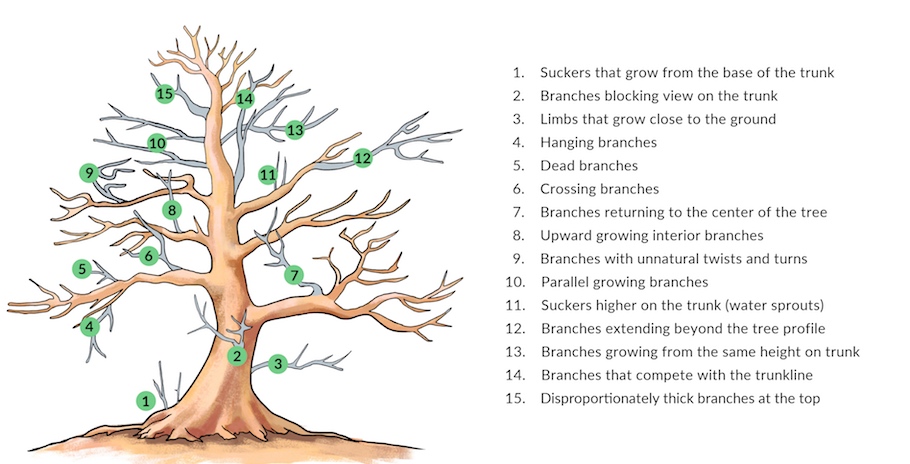
Unbalanced growth is a clear sign your bonsai needs pruning. One side might grow faster than the other. This can cause the tree to lean or look awkward. Check if branches are uneven in length. If one side looks fuller, it's time to trim. This helps maintain symmetry and balance.
Managing Leaf Density
High leaf density can suffocate your bonsai. Too many leaves block light from reaching inner branches. This can stunt growth. Observe if leaves cluster too tightly together. A dense canopy can hinder air circulation. Prune to allow space and light. This encourages healthier growth.
Credit: www.bonsaiempire.com
Aftercare Following Pruning
Pruning a bonsai tree requires careful aftercare to ensure healthy growth. Water the tree consistently and protect it from harsh weather. Regularly inspect for pests or diseases to maintain its vitality.
Pruning your bonsai tree is not just about shaping it to perfection; it’s also about ensuring its continued health and vitality. After you’ve trimmed your bonsai, what you do next is crucial. Proper aftercare can mean the difference between a thriving bonsai and one that struggles. Ensuring your bonsai bounces back after a pruning session involves understanding its immediate needs. Let’s dive into some practical tips to help your bonsai recover gracefully.
Watering And Fertilizing Post-pruning
After pruning, your bonsai tree needs a little extra attention when it comes to watering. While it may not need as much water as before, it's important to keep the soil consistently moist. Check the soil daily, and water gently to avoid disturbing the freshly cut roots. Fertilizing is another key element of post-pruning care, but timing is everything. Avoid fertilizing immediately after pruning to prevent stress. Wait a couple of weeks, then use a balanced fertilizer to give your bonsai a nutrient boost. This helps support new growth and recovery.
Monitoring For Stress Signs
After pruning, keep a keen eye on your bonsai for any signs of stress. Look for wilting leaves, discoloration, or unusual dropping of leaves. These can be indicators that your tree is struggling. Consider this: How did your bonsai react to previous prunings? Reflecting on past experiences can guide you in recognizing early warning signs. If you notice anything concerning, adjust your care routine promptly. Sometimes, all it takes is a slight tweak in watering or placement to get your bonsai back on track. Are you observing your bonsai closely enough? Paying attention to its needs can prevent minor issues from becoming major problems. Engage with your bonsai, learn its patterns, and you'll be rewarded with a healthy, flourishing tree.
Common Mistakes To Avoid
Pruning a bonsai tree at the wrong time can harm its growth. Always avoid pruning during extreme weather conditions. Trimming during the growing season helps maintain shape and health.
Pruning a bonsai tree is an art that requires patience and precision. Yet, even the most seasoned bonsai enthusiasts can make mistakes that hinder their tree's growth. Understanding these pitfalls can be the key to nurturing a thriving bonsai.
Over-pruning Dangers
It's tempting to snip away at your bonsai in an attempt to shape it perfectly. But cutting too much can stress the tree, stunting its growth and even causing branches to die. I once pruned my bonsai too zealously and ended up with a sparse-looking tree that took months to recover. Consider your tree's health before pruning. A weak tree needs time to regain strength, not more stress. Are you pruning to enhance its shape or just to trim excess? Knowing the purpose will guide your hand.
Ignoring Seasonal Changes
Each season affects your bonsai differently. Ignoring these changes can lead to poor growth and even damage. I learned this the hard way when I pruned during winter, not realizing the tree was dormant and needed rest. Spring is often the best time for pruning because growth is vigorous, and the tree can heal quickly. Autumn is another option, but avoid pruning when the tree is preparing for winter. Are you aware of your tree's seasonal cycle? Understanding this will help you choose the right time to prune. Mistakes can happen, but learning from them makes you a better bonsai caretaker. What will you change in your pruning routine? Keep these insights in mind, and your bonsai will flourish beautifully.
Frequently Asked Questions
How Do I Know When To Prune My Bonsai?
Prune your bonsai during its active growth phase, typically in spring and early summer. Monitor for excessive growth or unwanted branches. Trim after shoots extend to maintain shape and encourage balanced growth. Always use sharp tools for clean cuts to prevent damage.
What Is The Rule Of 3 In Bonsai?
The rule of 3 in bonsai involves trimming branches to create depth and balance. It emphasizes selecting three main branches: one pointing left, one right, and the third pointing forward. This technique enhances visual harmony and supports the tree's natural growth pattern.
Should You Prune Bonsai In The Fall?
Prune bonsai in the fall to remove dead branches and promote healthy growth. Focus on shaping and controlling size. Ensure tools are sharp and clean to prevent damage. Avoid heavy pruning, as trees prepare for dormancy. Proper timing and technique enhance bonsai health and aesthetics.
What Happens If I Don't Prune My Bonsai Tree?
Failing to prune a bonsai tree leads to uncontrolled growth. It becomes less compact and loses its shape. Branches get tangled, affecting health and aesthetics. Pruning is essential for maintaining its miniature form and promoting healthy development. Regular trimming ensures your bonsai remains attractive and balanced.
Conclusion
Pruning a bonsai tree needs careful timing. Spring is ideal for most species. Trees are active, promoting quick healing. Summer pruning helps manage growth and shape. Avoid pruning in winter. Trees rest and heal slower. Always use sharp, clean tools to avoid damage.
Check your specific bonsai type. Each has unique needs and timing. Healthy bonsai requires attention and care. Regular pruning keeps them beautiful and thriving. Enjoy watching your bonsai flourish with the right care.