Spring is a time of renewal and growth, as nature awakens from its winter slumber. As a tree owner, you're probably wondering when the right time is to start watering your trees.
Getting this timing right can make all the difference in their health and vitality. You don't want to miss those crucial early days when your trees start to stretch and reach for the sky. By understanding when to water, you can ensure your trees get the head start they need to thrive throughout the year.
Imagine lush, vibrant foliage greeting you every day—sounds wonderful, right? Dive into this article to discover the perfect watering schedule and give your trees the best chance to flourish this spring.

Credit: www.youtube.com
Early Signs Of Spring
As temperatures rise and snow melts, it's time to begin watering trees. Early spring signals the start with budding leaves and warmer days. Watch for consistent thawing before watering to ensure the soil absorbs moisture effectively.
As winter fades away, nature begins to hint at the arrival of spring. These early signs are crucial for tree care enthusiasts who want to ensure their trees receive the best start to the growing season. Paying attention to these subtle cues can make a significant difference in the health and growth of your trees.
Blossoming Buds
One of the first indicators of spring is the appearance of buds on tree branches. These buds signal that trees are waking from their winter dormancy. Keep an eye out for swelling buds, as this is a sign that your trees will soon need watering.
Warmer Temperatures
As temperatures begin to rise consistently above freezing, it's a good time to consider watering your trees. Warmer weather encourages trees to start their growth processes. This is when they will need more water to support new leaf and root growth.
Increased Daylight
Longer daylight hours are another sign that spring is here. More sunlight triggers photosynthesis, which requires water. As days grow longer, your trees will benefit from a regular watering schedule.
Soil Thawing
Check the soil around your trees to see if it's thawed. Frozen soil can't absorb water, so watering too early can be ineffective. Once the soil is pliable and free of ice, it's ready to receive moisture.
Early Bird Activity
Birds returning to your garden is a lively sign that spring is underway. Their presence indicates that other parts of the ecosystem are also coming to life. Use this as a cue to start preparing your watering routine. Observing these early signs not only helps in timely watering but also connects you with the natural cycle of your garden. Are you ready to tune into these signals and give your trees the best start this spring?
Importance Of Soil Moisture
Understanding the importance of soil moisture is essential for tree health in spring. Trees rely on soil moisture to absorb nutrients and maintain growth. Without adequate moisture, trees struggle to thrive, affecting their overall health and appearance.
Why Soil Moisture Matters
Soil moisture influences root function and nutrient uptake. When soil is dry, roots cannot absorb nutrients efficiently. This can lead to stunted growth and weak trees.
Signs Of Proper Soil Moisture
Check the soil's texture and color. Moist soil is dark and crumbly. It should feel slightly damp but not soggy.
Effects Of Low Soil Moisture
Low soil moisture leads to stress in trees. Leaves may wilt or turn brown. Growth slows, and the tree becomes vulnerable to diseases.
Assessing Soil Moisture Levels
Use a simple moisture meter to check levels. Push it into the soil near the tree roots. This tool provides accurate readings.
Maintaining Optimal Soil Moisture
Water trees when the soil feels dry to touch. Avoid over-watering as it can cause root rot. Ensure water penetrates deep into the root zone.
Tips For Monitoring Soil Moisture
- Check soil moisture weekly during dry spells.
- Mulch around trees to retain moisture.
- Adjust watering schedule based on rainfall.
Assessing Tree Dormancy
Observing tree buds for swelling is crucial to determine dormancy break. Start watering when buds show signs of growth. This ensures trees receive adequate moisture as they prepare to flourish in spring.
Assessing tree dormancy is crucial for determining the right time to start watering your trees in spring. Dormancy is a natural phase when trees conserve energy, shedding leaves and halting growth to survive winter. Recognizing when a tree is transitioning out of dormancy can guide you in providing the optimal care it needs.
Understanding Tree Dormancy
During dormancy, trees appear lifeless, but they are very much alive, conserving energy for the upcoming growing season. You might notice the absence of leaves and a lack of growth, which are typical signs. However, the internal processes are still active, preparing for the burst of spring.
Signs That Trees Are Exiting Dormancy
Look for swelling buds on branches, which are a clear sign that trees are waking up. You might also see a slight change in the color of twigs and branches, indicating new growth is imminent. Another telltale sign is the sap flow, which you can observe in certain tree species like maples.
Temperature And Weather Considerations
Monitor temperature changes closely; consistent warm days signal the end of dormancy. However, be cautious of unexpected frost, as it can damage early budding trees. Using a thermometer to measure soil temperature can also provide valuable insights; once it consistently reaches 50°F, it might be time to consider watering.
Personal Experience With Tree Care
Last spring, I noticed my maple trees budding earlier than usual due to an unseasonably warm February. By paying attention to these cues, I was able to adjust my watering schedule accordingly. This proactive approach helped my trees thrive and bloom vibrantly.
Why Timing Matters
Starting to water too early can lead to waterlogged roots, while waiting too long can cause dehydration. Finding the right balance ensures your trees have the resources they need to grow healthily. Have you ever wondered if your tree care routine was optimal for its growth cycle?
Actionable Tips For Tree Owners
- Observe your trees regularly: Frequent checks can help you notice subtle changes indicating dormancy is ending. - Use visual cues: Buds, color changes, and sap flow are reliable indicators. - Stay informed about local weather patterns: This helps in anticipating how your trees might respond to temperature shifts. Keeping these tips in mind can significantly enhance your tree care strategy, ensuring your trees receive the nurturing they need right when they need it.

Credit: www.facebook.com
Weather Patterns And Forecasts
Spring signals the right time to start watering trees when consistent warm temperatures arrive. Observe budding leaves and soil moisture. Early watering supports tree health and growth after winter dormancy.
Understanding when to start watering your trees in spring is crucial for their health and growth. Weather patterns and forecasts play a significant role in determining the right time to begin. As spring approaches, the weather can be unpredictable with sudden changes in temperature and precipitation. Keeping an eye on these patterns can guide you in making informed decisions about watering.
Understanding Local Climate Trends
Different regions experience varying spring climates. In some areas, spring might arrive early with consistently warm temperatures. Other regions might face late frosts or unexpected cold snaps. By observing your local climate trends, you can better predict the most favorable time to start watering. For example, if you live in a region where late frosts are common, it’s wise to delay watering until the frost danger has passed.
Monitoring Temperature Fluctuations
Temperature is a key indicator of when to start watering. Once the soil consistently remains above freezing, it's generally safe to begin. However, sudden drops in temperature can harm tree roots, especially if they are already moist from watering. Keep a thermometer handy and check morning temperatures regularly.
Rainfall Predictions
Spring showers are a blessing for your trees. If forecasts predict regular rain, you might not need to water as often. However, if there's little rain on the horizon, you should plan to water more frequently. Balancing natural rainfall with supplemental watering ensures your trees receive the right amount of moisture.
Personal Experience And Adaptation
Every gardener develops a sense for their environment. Maybe you’ve noticed that your trees thrive when you start watering just after the first blossoms appear. Or perhaps you've learned the hard way that watering too early leads to root rot. Use these experiences to adapt your approach each year. Checking the weather forecast has become a daily ritual for many gardeners. Do you find yourself adjusting your plans based on what the weatherman predicts? By aligning your watering schedule with the forecast, you can ensure your trees get the best start to the growing season.
Choosing The Right Time
Spring signals the time to start watering trees when the ground thaws and daytime temperatures rise. Early watering ensures trees get enough moisture for growth. Check soil moisture frequently to prevent over-watering.
Choosing the Right Time to start watering your trees in spring is crucial for their growth and health. Timing can make all the difference between a flourishing tree and one that struggles to survive. Understanding the specific needs of your trees and the local climate will help you make informed decisions.
Temperature Considerations
Spring temperatures can be unpredictable. You might wake up to a sunny morning only to end the day with a chilly breeze. Trees, especially young ones, are sensitive to these fluctuations. When daytime temperatures consistently stay above 40°F (4°C), it’s usually safe to start watering. However, if nighttime temperatures drop significantly, it might be wise to hold off a bit longer. Sudden freezes after watering can damage roots, so patience is key.
Rainfall And Humidity Factors
Spring rainfall varies greatly depending on your location. Regular rain can reduce the need for supplemental watering. Keep track of local weather reports to gauge how much natural water your trees are receiving. High humidity levels can also affect watering needs. In humid environments, water evaporates slower, meaning your trees might need less frequent watering. On the flip side, in dry conditions, you may need to water more often to compensate for the lack of moisture in the air. Have you ever noticed how quickly your garden dries out after a windy day? Wind can accelerate evaporation, so consider this when planning your watering schedule. By staying attuned to these environmental factors, you'll ensure your trees receive the right amount of water at the right time.
Methods Of Watering
Spring watering begins when the soil thaws and temperatures rise. Check soil moisture around tree roots. Watering ensures healthy growth during budding and leafing stages.
When spring arrives, watering trees becomes essential. Different methods suit various needs and tree types. Understanding these methods helps ensure healthy growth.
Deep Root Watering
Deep root watering focuses on delivering water directly to the roots. This method ensures moisture reaches the deeper soil layers. It promotes strong root systems. Use a deep root watering tool or a soaker hose. Insert the tool into the ground near the tree's base. Water slowly for adequate absorption. This technique conserves water by reducing surface evaporation.
Surface Watering Techniques
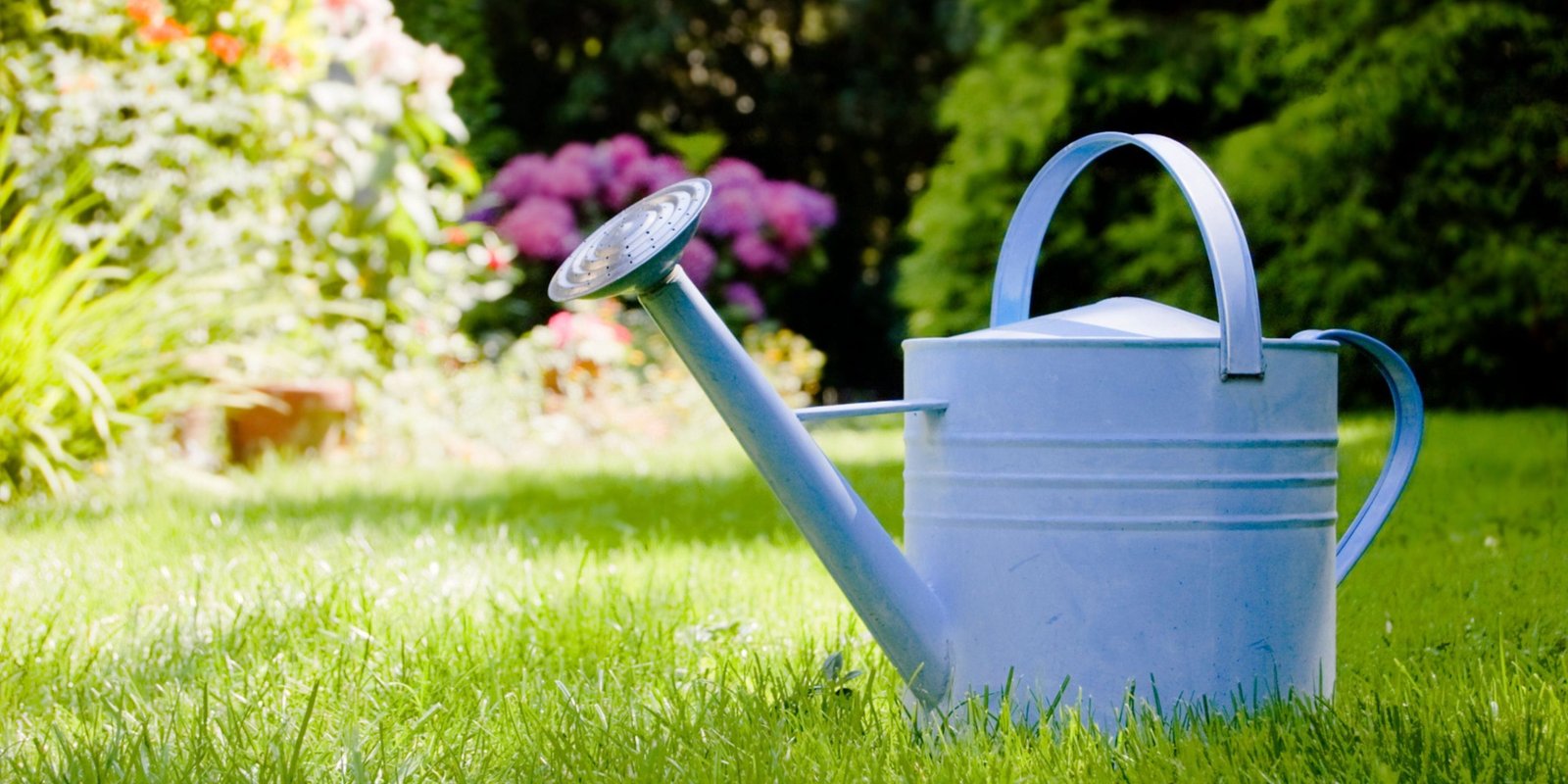
Surface watering involves watering the soil around the tree. It is a straightforward method. Use a garden hose or watering can. Ensure the water spreads evenly across the soil surface. Avoid creating puddles. Puddles can lead to root rot. Water early in the morning or late afternoon. This reduces water loss through evaporation. Ensure the soil is moist but not waterlogged. Regular checks are necessary for effective surface watering.
Monitoring Tree Health
Spring signals the time to check tree health and begin watering. Trees need water when buds swell and soil warms. Regular watering ensures strong growth and prevents stress.
Monitoring tree health is crucial in spring as trees awaken. Healthy trees are more resistant to pests and diseases. Regular checks help ensure trees receive adequate water. Knowing signs of water distress prevents tree damage.
Signs Of Overwatering
Overwatering can harm trees. Leaves may turn yellow or wilt. Mushy roots are another sign. Excessive water leads to root rot. Fungal growth can appear on the trunk. Check soil moisture before watering.
Indicators Of Underwatering
Underwatering causes different issues. Leaves may curl or brown. Trees drop leaves to conserve water. Stunted growth is another sign. Soil may appear dry and cracked. Watering should be consistent and adequate.

Credit: baumbad.co.uk
Adjusting Watering Schedule
Spring signals the time to adjust your tree watering schedule. Begin watering when the soil thaws and temperatures rise. Ensure consistent moisture to support new growth and strengthen root systems.
Adjusting the watering schedule for trees in spring is crucial. Trees wake from dormancy and need moisture to support new growth. The right watering routine ensures they thrive throughout the season.
Assessing Soil Moisture
Check soil moisture before watering. Stick a finger or a tool into the soil. If the soil is dry two inches below the surface, it's time to water.
Understanding Tree Age
Young trees need more frequent watering. Mature trees require less frequent watering but more water per session.
Considering Weather Conditions
Rainfall affects watering needs. If it rains, reduce watering frequency. During dry spells, increase watering. Watch for signs of stress in trees. Wilting leaves or dry branches indicate a need for more water.
Using Mulch
Mulch helps retain soil moisture. Apply a layer around the base of the tree. It reduces evaporation and keeps roots cool.
Timing Of Watering
Water trees early in the morning. This reduces evaporation loss and allows roots to absorb moisture efficiently.
Expert Tips For Optimal Growth
Expert Tips for Optimal Growth Begin watering trees in early spring when the frost is gone. Ensure soil moisture for healthy growth. Adjust watering based on weather conditions and tree species.
Spring is a crucial time for nurturing trees back to life after the dormant winter months. Knowing when and how to start watering can significantly impact their growth and vitality. Whether you're a seasoned gardener or a newbie, these expert tips will help you achieve optimal growth for your trees this spring.
Observe Soil Moisture Levels
Check the soil moisture regularly. If the top two inches of soil are dry, it's time to water. Use a small trowel or your finger to gauge the moisture level effectively.
Consider Local Weather Conditions
Understand that local weather patterns significantly affect watering needs. A rainy spring might require less frequent watering, while a dry spell demands more attention. Adjust your watering schedule based on the rainfall in your area.
Time Your Watering Sessions Wisely
Water early in the morning or late in the afternoon. This timing allows water to penetrate the soil efficiently without evaporating quickly. It also reduces the risk of mold and disease that can occur with wet leaves overnight.
Use Mulch To Retain Moisture
Applying a layer of mulch around the base of your trees can help retain soil moisture. This practice also keeps the soil temperature consistent, benefiting root growth. Ensure the mulch doesn't directly touch the tree trunk to prevent rot.
Know Your Tree Species
Different tree species have varying water requirements. Research the specific needs of your tree types to tailor your care approach. For example, newly planted trees typically need more water than established ones.
Monitor Tree Growth And Health
Keep an eye on your trees for signs of stress such as wilting or leaf discoloration. These indicators might suggest the need for more or less water. Regularly assessing your trees' health helps you respond promptly to their needs. Remember, the key to thriving trees in spring is attentive care and timely watering. How will you adapt these tips to your gardening routine?
Frequently Asked Questions
When Should I Start Watering My Trees After Winter?
Start watering trees when the ground thaws and air temperatures consistently rise above freezing. Monitor soil moisture. Water deeply once weekly. Adjust based on rainfall. Early spring is ideal for promoting healthy growth. Avoid overwatering to prevent root rot.
When Should I Start Watering My Plants After Winter?
Start watering plants in spring when soil thaws and temperatures consistently reach above freezing. Check soil moisture regularly.
When Should I Start Watering In The Spring?
Begin watering in spring once the soil consistently reaches above 40°F (4°C). Check local frost dates for guidance. Use a soil thermometer for accuracy. Early morning watering is best to prevent evaporation. Adjust watering based on rainfall and plant needs.
Start gradually to avoid overwatering.
When Not To Water Trees?
Avoid watering trees during freezing temperatures to prevent root damage. Refrain when the soil is saturated to prevent overwatering. Do not water during midday heat to minimize evaporation. Hold off during heavy rainfall periods. Stop watering dormant trees in winter months to conserve resources.
Conclusion
Spring signals the start of tree care. Timing is crucial for healthy growth. Begin watering when buds swell and soil warms. Check soil moisture regularly. Adjust watering based on weather changes. Consistent moisture helps trees flourish. Too early or too late can stress trees.
Aim for steady soil moisture. Watch for signs of dryness. Encourage deep roots with thorough watering. Avoid shallow watering. Deep roots ensure strong trees. Every tree type may vary in needs. Monitor each tree’s specific requirements. Proper watering sets the stage for vibrant trees.
Happy gardening and thriving trees await!