
Finding the perfect spot to hang a birdhouse can transform your garden into a lively oasis filled with the cheerful chirping of feathered friends. Imagine waking up to the sweet sounds of nature, all because you took a few simple steps to hang a birdhouse in the right place.
But where should you hang it to attract the most birds and keep them safe? You might be surprised to learn that the answer involves more than just picking a random tree branch. By understanding a few key principles, you can create a welcoming habitat for birds right in your backyard.
Ready to discover the secrets to choosing the ideal location for your birdhouse? Let's dive into what you need to know to make your garden a bird paradise.
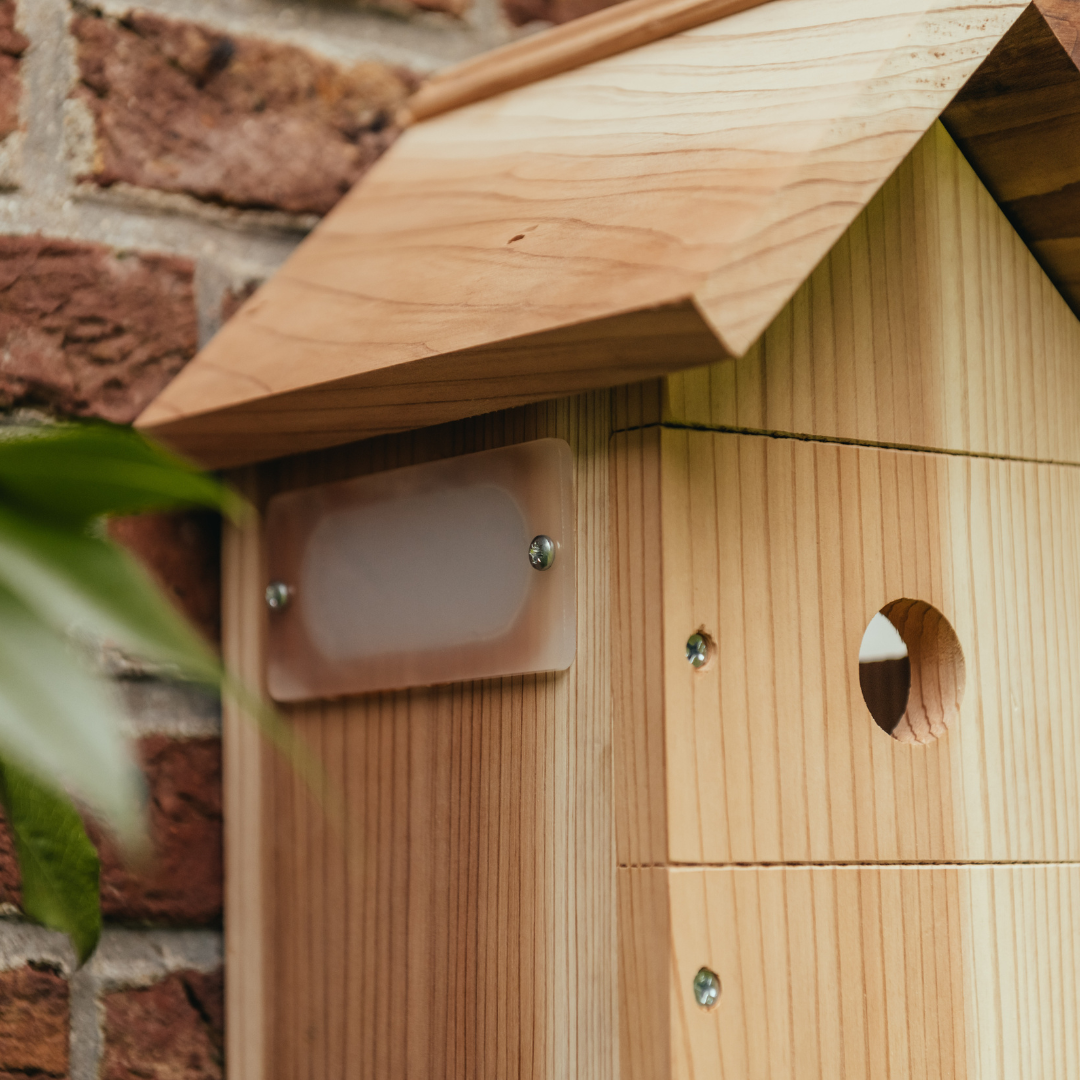
Choosing The Right Location
Positioning a bird house requires careful consideration of several factors. Ensure it's in a quiet area, away from predators. Place it at a suitable height, near food sources, to attract birds.
Finding the perfect spot to hang a birdhouse can make all the difference in attracting cheerful chirpers to your backyard. It's not just about aesthetics; the location impacts the well-being of the birds that visit. Choosing the right location involves considering several factors that contribute to the safety and comfort of your feathered guests.
Safety From Predators
Birds are vulnerable to predators like cats, squirrels, and larger birds. How can you ensure their safety? Place birdhouses at least 10-12 feet off the ground. This helps keep them out of reach from most predators. Avoid areas where branches are easily accessible, as these can act as a bridge for unwanted visitors. Think about your own experiences with pesky intruders. A friend once mentioned how a strategically placed birdhouse on a tree branch away from any fences kept neighborhood cats at bay. What steps will you take to make your birdhouse a safe haven?
Proximity To Food Sources
Birds need easy access to food. Consider hanging your birdhouse near natural food sources like berry bushes or flower gardens. This provides a convenient buffet for them. If these aren't available, try placing bird feeders nearby to attract them. Have you ever noticed how birds flock to areas abundant in food? It's fascinating to watch them hop from feeder to birdhouse. Imagine transforming your backyard into their favorite dining spot.
Shelter From Weather
Weather can be unpredictable, but you can offer birds some protection. Choose a spot that shields the birdhouse from harsh elements like strong winds and heavy rain. Hanging it under eaves or in dense foliage can provide much-needed shelter. During a storm last summer, I watched as birds huddled inside a birdhouse nestled under a tree canopy. They were safe and dry. How will you ensure your birdhouse offers similar refuge? Choosing the right location isn't just about hanging a birdhouse. It's about creating a welcoming environment that encourages birds to make it their home. What steps will you take today to make your backyard a bird-friendly paradise?
Height Considerations
Positioning a bird house at the right height ensures bird safety and attracts more visitors. Hang it between 5 to 10 feet above ground to protect from predators. Trees or poles work well, providing easy access for birds and maintenance.
Deciding where to hang a birdhouse requires careful consideration, especially when it comes to height. The height at which you place your birdhouse can significantly impact its success in attracting birds and providing a safe environment for them. By understanding the ideal heights for different species and how to avoid human disturbance, you can create a welcoming space for our feathered friends.
Ideal Heights For Different Species
Different bird species prefer different heights. For example, if you're hoping to attract sparrows, consider placing your birdhouse around 6 to 10 feet above ground. Bluebirds, on the other hand, tend to favor heights between 4 to 6 feet. Woodpeckers and owls, often attracted to higher perches, will appreciate birdhouses placed up to 15 feet high. Knowing these specifics can increase the likelihood of attracting the species you desire. Consider how diverse your backyard can become when you cater to a variety of birds. Which species are you hoping to see?
Avoiding Human Disturbance
Height plays a critical role in minimizing human disturbance. Birdhouses hung too low might invite unwanted attention from pets or curious children. Aim for placements that are above eye level, ensuring birds feel secure and undisturbed. Think about areas in your yard where you seldom tread. Hanging a birdhouse there can give birds a peaceful environment away from daily activities. Have you ever noticed how birds seem to thrive in quieter corners? Your choice of height can make all the difference. By taking these height considerations into account, you offer birds a chance to nest in comfort. Your yard can become a thriving habitat, bringing joy to both you and the birds.
Orientation And Positioning
Bird houses are a delightful addition to any garden, offering a safe haven for your feathered friends. But where you hang them makes all the difference. The orientation and positioning of a bird house can impact its usefulness and attractiveness to birds. Let’s explore how to make your bird house the perfect spot for nesting.
Facing The Right Direction
Did you know that the direction your bird house faces can affect its occupancy? Birds prefer houses with entry holes facing east or southeast. This orientation helps protect them from prevailing winds and rain, ensuring a cozy spot for nesting.
Consider the landscapes around you. If your garden faces a busy street, turning the bird house away from it can reduce noise disturbance. Observing where birds naturally gather can also guide your positioning choice.
Balancing Sunlight And Shade
Birds, like humans, enjoy a comfortable balance of sunlight and shade. Direct sunlight can heat up the bird house, creating an uncomfortable environment. Position your bird house in a spot that receives morning sun but is shaded in the afternoon.
Think of your garden’s natural elements. Trees can offer a shield from harsh afternoon rays while still letting in gentle morning light. How does your garden change with seasons? Adjusting the bird house location based on seasonal sunlight can make a huge difference.
Have you ever watched birds flitting through your garden and wondered what draws them to specific areas? Observing their behavior can offer insights into the best spots for your bird house. Are there hidden gems in your garden that already attract birds? Consider these when deciding on orientation and position.

Integrating With Natural Environment
Placing a birdhouse thoughtfully encourages birds to thrive. Choose a quiet spot, away from predators. Trees or sturdy posts are ideal. Ensure a clear flight path. This fosters a safe haven for our feathered friends, integrating seamlessly with nature.
Integrating a birdhouse into the natural environment is essential for attracting feathered visitors. You want to create a haven that feels safe and inviting to birds, while also complementing your outdoor space. Think of it as adding a charming piece of decor that enhances your garden's beauty and biodiversity.
Blending With Surroundings
How do you make a birdhouse look like it belongs? Choose colors that match the landscape. A green or brown birdhouse can blend beautifully with trees and shrubs. Consider the style. If your garden has a rustic vibe, a wooden birdhouse will fit right in. Conversely, a modern garden might benefit from a sleek, minimalist design. Placement matters. Avoid areas with too much human activity. Birds prefer calm and quiet spots where they feel secure.
Using Trees And Structures
Trees are nature’s perfect support system for birdhouses. Hanging a birdhouse on a sturdy branch can offer birds shelter and cover from predators. Don’t have trees? Utilize existing structures like fences or sheds. Attach the birdhouse at a height that’s safe from ground predators but accessible to birds. Think about wind and weather conditions. Position the birdhouse so it gets some protection from harsh winds or heavy rains.
Creating a welcoming environment doesn't stop at aesthetics. Have you considered how your garden’s design impacts bird behavior? Mixing native plants with the birdhouse can provide food and nesting materials. Birds are more likely to visit a space that offers everything they need. What about you? Have you noticed how birds react to different placements in your garden? Sharing your experiences can help others find the ideal spot for their birdhouses.
Seasonal Adjustments
Seasonal adjustments are crucial for hanging bird houses effectively. Birds face different challenges in varying seasons. Understanding these changes helps in providing optimal conditions for them. This section explores how to adapt bird house placements according to seasonal shifts.
Adapting To Climate Changes
Climate changes affect bird behavior significantly. In warmer months, birds seek cooler spots. Hanging bird houses in shaded areas becomes essential. During colder months, birds need warmth. Place houses where sunlight can reach them. This helps birds stay comfortable year-round. Pay attention to wind patterns too. Strong winds can disrupt birds' nesting.
Rotating Locations For Migration
Migration patterns demand strategic adjustments. Some birds migrate seasonally, searching for ideal conditions. Rotating bird house locations supports these migrations. Consider moving bird houses closer to water sources during migration seasons. Water provides essential resources for traveling birds. Positioning houses in open spaces can attract more migrating birds. This enhances their chances of finding a safe resting spot.
Monitoring And Maintenance
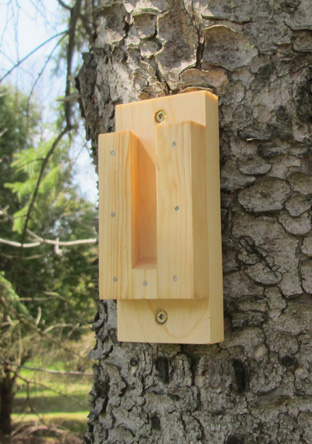
Choosing the right spot for a bird house is crucial. Keep it away from predators and direct sunlight. Regular checks ensure it's safe and comfortable for birds.
When you hang a birdhouse in your garden or backyard, the journey doesn't end there. Monitoring and maintenance are crucial to ensure that your birdhouse remains a welcoming and safe haven for birds. Paying attention to these details can make all the difference in attracting feathered friends and keeping them healthy.
Regular Cleaning
Birdhouses need to be cleaned regularly to prevent the buildup of harmful bacteria and parasites. Think of it as a routine home cleaning but for your avian guests. A simple rinse with water and a gentle scrub can keep the interior fresh and inviting. Remove old nesting material after each breeding season. New occupants prefer a clean slate. You can use a mild solution of vinegar and water for a deeper clean. Regular cleaning ensures that your birdhouse remains a desirable spot for new bird families.
Inspecting For Damage
Weather and wildlife can take a toll on birdhouses. Regular inspections help catch any damage early. Check for cracks, loose parts, or signs of wear. A sturdy birdhouse protects its inhabitants from harsh weather and predators. If you notice any issues, like a loose roof or a damaged entrance, fix them promptly. Securing your birdhouse ensures it remains a safe place for birds to thrive. Keeping a well-maintained birdhouse can seem like a commitment, but it's a rewarding experience. Have you ever noticed how a well-tended garden flourishes? The same principle applies here. By investing a little time, you create a sanctuary for birds and a lively addition to your home environment. What steps will you take today to ensure your birdhouse is in top shape?
Frequently Asked Questions
Where Is The Best Place To Hang A Birdhouse?
Hang a birdhouse in a quiet, safe location, 5-10 feet above ground. Choose a spot with partial shade and away from predators. Ensure it's securely mounted on a tree or pole, with a clear flight path. Avoid areas with heavy human traffic for optimal bird attraction.
Should Bird Houses Be In The Sun Or Shade?
Place bird houses in partial shade to protect birds from extreme temperatures. Ensure adequate sunlight for warmth.
Which Direction Should I Face A Bird House?
Face bird houses east or southeast for morning sunlight and warmth. Ensure the entrance is sheltered from strong winds. Proper direction enhances comfort and safety for birds. Maintain a clear flight path to the entrance. Placement affects bird health and nesting success.
What Color Should A Birdhouse Be To Attract Birds?
Choose natural colors like brown, green, or gray for birdhouses. These colors blend with surroundings and attract birds. Bright colors might deter them, except for hummingbirds, who are drawn to red. Avoid using shiny or metallic paints. Keeping the design simple and natural is key for attracting birds.
Conclusion
Choosing the right spot for your bird house matters. Birds need safe, quiet places to thrive. Consider height, sunlight, and distance from feeders. A well-placed bird house invites more feathered friends. It creates a lively garden atmosphere. Watch as birds make it their home.
Enjoy their songs and beauty. Nature becomes part of your daily life. Simple steps lead to rewarding results. Follow these tips for happy, healthy birds. Your garden will flourish with life. Start today and see the difference. Birds will thank you for it.