
Are you looking to boost your garden's productivity while supporting the environment? Placing a mason bee house in the right spot could be your secret weapon.
These gentle pollinators can transform your garden into a flourishing paradise. But, where exactly should you position their new home to ensure maximum success? In this guide, you'll discover the perfect locations for your mason bee house, ensuring these industrious insects feel right at home.
We'll break down the science of bee behavior into easy steps, making it simple for you to create a welcoming environment. By the end of this article, you'll not only know where to place your bee house but also understand why these spots are ideal. Get ready to unlock the potential of your garden with the help of these amazing pollinators!
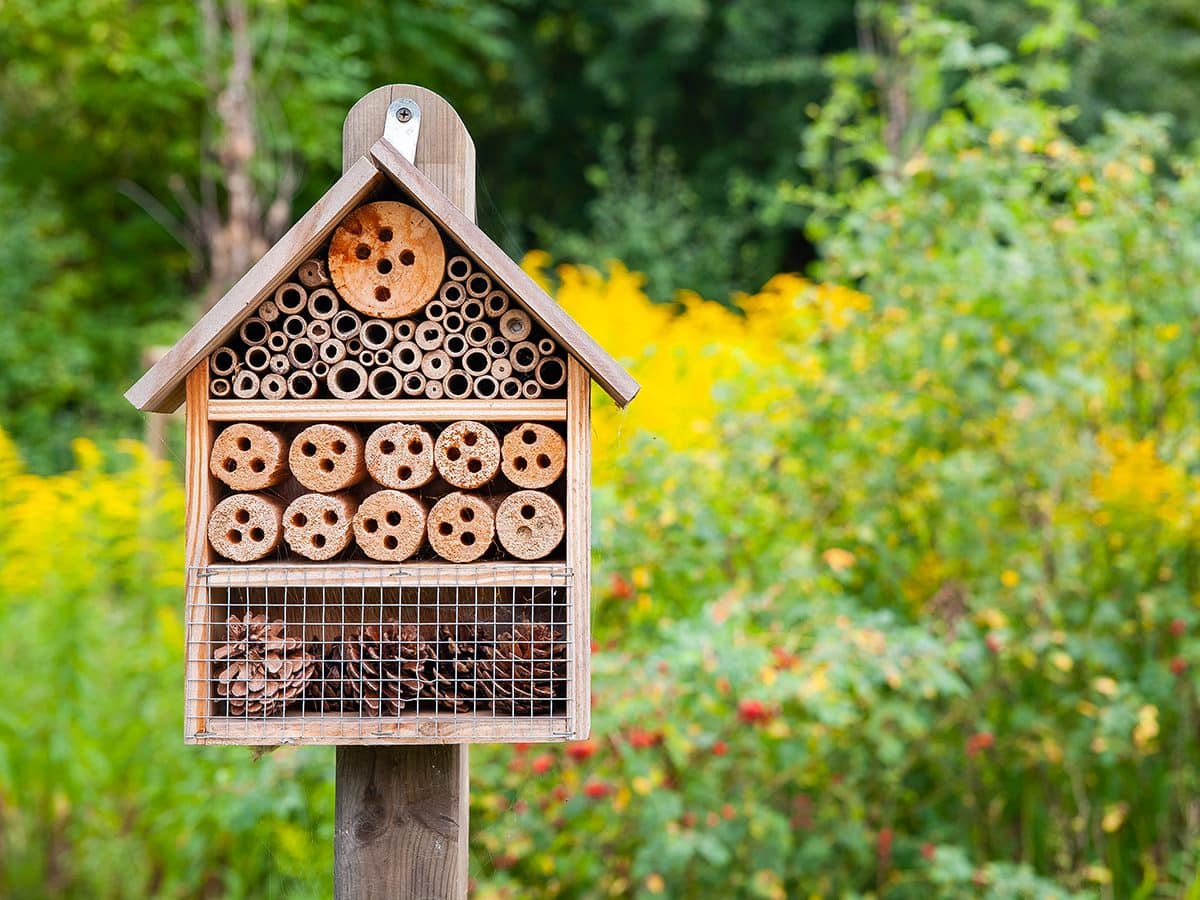
Choosing The Right Location
Placing a mason bee house requires choosing a sunny spot with morning light. Ensure it is sheltered from strong winds and rain. Position it near flowers or plants for easy access to pollen.
Choosing the right location for your mason bee house is crucial for their survival and productivity. You want to create an environment where these beneficial pollinators can thrive. It’s not just about placing the house anywhere in your garden; it’s about finding the perfect spot that mimics their natural habitat while ensuring their safety and comfort.
Sunlight And Shade Balance
Mason bees need warmth to be active and effective pollinators. Placing their house in a spot that receives morning sunlight can help them start their day energetically. A bee house facing east or southeast can capture the gentle rays of the morning sun. However, too much sunlight can cause overheating, especially in the afternoon. Ensure the house gets some shade during the hottest parts of the day. You could position it under a tree that provides dappled shade or near a structure that blocks the harsh afternoon sun.
Consider the natural environment around you. Have you noticed where bees like to congregate in your yard? Use those clues to find an ideal spot that balances sunlight and shade.
Protection From Wind
Wind can be a silent enemy for mason bees. A strong gust can dislodge their house or make it difficult for them to navigate. To shield them, find a location that naturally blocks the wind. You could place the bee house against a wall or fence that faces away from prevailing winds. This barrier provides stability and a sense of security for the bees as they come and go.
Think about adding some landscaping features like shrubs or tall plants around the bee house. They not only offer protection but also create a welcoming environment that encourages bees to stay and work.
Have you ever felt the rush of wind disrupt your outdoor activities? Imagine how challenging it is for a tiny bee. Ensuring wind protection is a small step that makes a big difference in their comfort and efficiency.
Proximity To Plants
Place the mason bee house near flowering plants and shrubs. Bees need easy access to pollen and nectar. Ensure it gets morning sunlight for warmth.
Placing a mason bee house in your garden is a wonderful step towards encouraging pollination and supporting the environment. One crucial factor to consider is the proximity to plants. The location of the bee house can significantly affect the bees' ability to find food and thrive.
Bees are natural pollinators, and giving them easy access to flowering plants can boost their efficiency and your garden's productivity.
Flowering Plants Attraction
Mason bees are drawn to flowering plants because they rely on them for nectar and pollen. Having a variety of flowering plants nearby ensures the bees have ample food sources. Consider planting bee-friendly flowers like lavender, sunflowers, or wildflowers around the bee house. This variety attracts bees and keeps them busy all season.
Try mixing different colors and types of flowers to entice mason bees. More choices can lead to a healthier bee population in your garden.
Avoiding Pesticide Areas
Pesticides pose a significant threat to bees and can be detrimental to their health. When choosing a spot for your mason bee house, ensure it is away from areas where pesticides are used. Think about the safety of your bees when planning your garden layout.
Can you avoid using chemicals near the bee house? Consider adopting natural pest control methods. This not only protects your bees but also contributes to a healthier ecosystem overall.
Would you want to risk the safety of your bees for a few less pests? Taking care of their environment means taking care of your garden.
Your garden can become a haven for bees with careful planning and thoughtful choices. By focusing on proximity to plants, you create a supportive environment for these essential pollinators.
Height Considerations
Placing a mason bee house at the right height is crucial for bee attraction. Position it about 3 to 5 feet above ground. This height provides easy access for bees and protection from predators.
Are you considering setting up a mason bee house in your garden? Great choice! The placement of your bee house significantly impacts its effectiveness. Height is a crucial factor that can determine the success of your bee house.
It's not just about sticking it anywhere; it’s about finding the perfect spot that ensures safety and accessibility for these beneficial pollinators. Let's dive into why height matters and how you can make your garden a haven for mason bees.
Safety From Predators
Mason bees, despite their hard-working nature, are vulnerable to predators. Placing your bee house too low can make it an easy target for birds, rodents, or even curious pets. A height of about 3 to 6 feet is ideal as it keeps the house out of reach of many common predators.
Think about where you put your bird feeders. You wouldn’t place them where every neighborhood cat can easily reach, right? Apply the same logic to your bee house.
Your goal is to provide a safe environment where bees can thrive without constantly facing danger.
Ease Of Access
Accessibility is key for both you and your bees. You want to place the bee house at a height that allows you to easily monitor activity and perform necessary maintenance. If it's too high, checking on your bees becomes a hassle.
Moreover, mason bees prefer to fly in an open area. Placing the house at a moderate height ensures they have a clear flight path. Consider any obstacles like trees or walls that might block their way.
Is your bee house positioned so that the bees can come and go without hindrance? A practical height also ensures that you can easily access the house during its off-season. This makes cleaning and preparing it for the next season a breeze.
Remember, a perfect balance between safety and ease of access can turn your garden into a buzzing paradise for mason bees!

Orientation For Optimal Use
Positioning a mason bee house correctly boosts bee activity. Choose a sunny spot sheltered from wind and rain. Ensure the house is near flowers, allowing bees easy access to pollen and nectar. Keep it at least three feet above ground to prevent dampness and predators.
Orientation for Optimal Use
When setting up a mason bee house, its orientation is crucial for attracting these efficient pollinators. Proper positioning can significantly impact the bees' activity and productivity.
Let’s discuss how you can make the most of your bee house by ensuring it faces the right direction and gets the sunlight it needs.
Facing The Right Direction
The direction your bee house faces can make a big difference. It's best to position the entrance towards the southeast. This orientation allows the bees to start their day with the sun, helping them warm up and become active sooner.
I once placed a bee house facing north, thinking it would be fine, only to find the bees sluggish. Reorienting it southeast made a noticeable difference. The bees became lively and industrious.
Have you ever noticed how sun exposure influences your garden’s growth? The same principle applies here.
Importance Of Early Morning Sun
Early morning sun is vital for mason bees. They need warmth to wake up and get to work pollinating. Positioning your bee house to catch the first rays of sunlight ensures they’re ready to go.
Think about a chilly morning when you might hesitate to step outside without the sun's warmth. Bees feel the same. If they receive sunlight early, they can start their day promptly, benefiting your garden's productivity.
Consider experimenting with different spots in your yard. Observe how the sunlight moves, and choose a location that gets morning sun but is also sheltered from harsh winds.
Have you tried relocating your bee house and seen changes in bee activity? It's fascinating to see how small adjustments can make a big difference.
Shelter From Rain And Moisture
Mason bees thrive best with a well-protected home. Rain and moisture can damage their nests. Ensuring proper shelter keeps them safe and healthy.
Using Overhangs
Positioning the bee house under an overhang provides protection. Overhangs shield from direct rainfall and keep the nests dry and cozy. A roof or eave works perfectly.
Ensure the overhang is wide enough to cover the entire bee house.
Avoiding Waterlogged Areas
Never place a bee house in low-lying spots because water pools easily in these areas. Constant moisture can harm bees and their larvae.
Choose a location where water drains quickly; elevated spots are ideal as they prevent water from collecting around the bee house.

Seasonal Adjustments
Placing a mason bee house involves understanding seasonal needs. Bees thrive in different conditions throughout the year. Adjusting their habitat ensures they remain healthy and productive.
Seasonal adjustments help provide the right environment for bees.
Winter Protection Strategies
During winter, bees need warmth and safety. Position the bee house away from harsh winds using natural barriers like hedges or trees for shelter.
You might consider moving the house to a shed or garage as long as it remains dry and frost-free.
Avoid placing it directly on the ground; elevation helps protect from moisture. Insulate the house using straw or dry leaves to maintain warmth inside.
Summer Cooling Techniques
In summer, overheating is a concern; bees need a cooler environment.
Place the bee house in partial shade, avoiding direct sunlight during peak hours. Use pergolas or awnings for shade if necessary.
Ensure good airflow around the house to reduce heat buildup.
You may add a small water source nearby as bees benefit from easy access to moisture; keep water shallow to prevent drowning risks.
Frequently Asked Questions
Which Way Should A Mason Bee House Face?
Face the mason bee house towards the southeast or east. This orientation ensures morning sunlight providing warmth while keeping it sheltered from rain and strong winds for optimal habitation.
Proper placement increases bee activity and productivity, supporting pollination effectively. Ensure easy access for bees to thrive and contribute to garden health.
When Should You Put Out A Mason Bee House?
Place a mason bee house in early spring when flowers start blooming and temperatures rise.
This timing coincides with bees emerging from hibernation searching for nesting sites. Position the house in a sunny, sheltered spot near pollen-rich plants for best results.
How Do You Attract Mason Bees To A Bee House?
Place the bee house in a sunny location facing south or southeast.
Provide mud nearby for nesting material and use nesting tubes of appropriate diameter.
Keep surrounding areas pesticide-free to protect bees and plant native flowers to attract them with consistent pollen sources.
Where Is The Best Place To Site A Bee House?
The best place is sunny, sheltered from strong winds, facing southeast or south near flowering plants.
Elevate it at least three feet off ground level for protection from predators/moisture and securely attach it to avoid movement.
Conclusion
Finding the right spot for your mason bee house ensures their success. Choose sunny, sheltered locations avoiding harsh winds or heavy rain. Keep houses at least three feet above ground near blooming flowers for easy access.
Regularly check and maintain houses for best results—supporting both bee health and garden growth.
Enjoy watching these hardworking pollinators thrive in your backyard—your efforts make a difference in preserving these valuable creatures.
Your small steps lead to bigger change.