
You’ve nurtured your bonsai tree with care and attention, but now you’re faced with a puzzling problem—its leaves are turning brown. This can be both alarming and frustrating, especially when you’ve invested time and love into cultivating your miniature masterpiece.
Why is this happening, and what can you do to restore your bonsai to its lush, green glory? You’re not alone in this horticultural mystery, and understanding the reasons behind those browning leaves is the first step to saving your beloved tree.
Stick with us as we unravel the causes and solutions, ensuring your bonsai thrives and brings tranquility to your space once again. Whether you’re a seasoned bonsai enthusiast or a curious beginner, this guide will equip you with the knowledge to revive your tree and keep it healthy for years to come. Dive in and discover the secrets to solving this common bonsai challenge.

Credit: bonsaishop.com.au
Common Causes Of Browning
Browning leaves on a bonsai tree can be concerning. This issue often signals underlying problems. Identifying the cause is crucial. Addressing these issues early can save your bonsai.
Overwatering Issues
Overwatering is a common mistake with bonsai care. Excess water drowns the roots. Roots need oxygen to thrive. Waterlogged soil restricts this. The roots start to rot. This leads to brown leaves. Check the soil moisture. Ensure proper drainage.
Underwatering Effects
Underwatering causes stress to bonsai trees. Dry soil means roots can’t absorb nutrients. Leaves turn brown and crispy. Water your bonsai regularly. Ensure the soil is slightly moist. Avoid letting it dry out completely.
Nutrient Deficiencies
Bonsai trees need nutrients to grow well. Lack of nutrients leads to brown leaves. Monitor the soil’s nutrient levels. Use a balanced fertilizer. Ensure your bonsai receives the right nutrients.
Pest Infestations
Pests can harm bonsai trees. Insects like aphids suck the sap. This weakens the tree. Leaves may turn brown or fall off. Inspect your bonsai for pests. Use safe insecticides or natural remedies.
Environmental Stress
Environmental factors affect bonsai health. Temperature changes can stress your tree. Extreme heat or cold can cause browning. Ensure your bonsai is in a stable environment. Avoid placing it in direct sunlight or near heaters.
Identifying Overwatering
Brown leaves on a bonsai often signal too much water. Roots struggle to breathe, causing stress. Check soil moisture; it should be slightly dry before watering again.
When your cherished bonsai tree starts showing signs of distress, like turning brown, it can be a worrying sight. One common culprit is overwatering. Knowing how to identify overwatering is crucial to nursing your bonsai back to health. Imagine this: you eagerly water your bonsai, thinking you’re nurturing it, only to discover that too much love is causing harm. Let’s delve into identifying overwatering and how to fix it.Signs Of Excess Moisture
Is your bonsai looking a bit droopy? Excess moisture is often the reason. Check the leaves: are they yellowing or falling off? These are telltale signs of overwatering. Another indicator is the presence of mold or a musty smell in the soil. Feel the soil with your fingers. If it’s damp and soggy despite your watering schedule, it’s time to reassess your approach.Soil Drainage Solutions
You might wonder, how can you improve drainage for your bonsai? Start by examining the pot’s drainage holes. Are they blocked by roots or debris? Clearing them can prevent water from stagnating. Consider the soil composition too. Bonsai trees thrive in well-draining soil. You can mix in materials like perlite or sand to improve drainage. Repotting is another solution. Sometimes, simply moving your bonsai to a slightly larger pot with fresh, well-draining soil can make a world of difference. Remember, the goal is to ensure water flows freely through the soil without pooling at the bottom. Have you ever faced the dilemma of overwatering? What changes did you make to rescue your bonsai? Share your experiences in the comments below. Together, we can ensure our bonsai trees flourish.Addressing Underwatering
Browning in bonsai trees often signals underwatering. Ensuring proper moisture helps maintain vibrant, healthy foliage. Regularly check soil dampness to prevent dehydration.
Addressing underwatering is crucial for a healthy bonsai tree. Brown leaves often indicate a lack of water. Understanding how to recognize and fix this is important. Let’s explore how to ensure your bonsai gets the right amount of water.Recognizing Water Shortage
Bonsai trees show signs of thirst. Brown or crispy leaves are common indicators. A dry soil surface is another sign. Touch the soil. Does it feel dry and dusty? If yes, your bonsai needs water.Proper Watering Techniques
Water your bonsai consistently. Use a can with a fine nozzle. Water until it drains from the pot’s bottom. This ensures deep soil moisture. Check soil moisture regularly. Insert a finger into the soil. It should feel slightly damp, not dry. Ensure your bonsai pot has drainage holes. This prevents waterlogging, which harms roots. Position your bonsai in a well-lit area. Sunlight helps in water absorption. Maintain a regular watering schedule. This promotes a healthy bonsai environment.Nutrient Management
Bonsai trees need proper nutrient management to stay healthy and vibrant. Understanding the nutrients they need is essential. Brown leaves can indicate nutrient problems. Addressing these issues can help restore your bonsai’s health.
Essential Nutrients For Bonsai
Bonsai trees need several nutrients to thrive. These include nitrogen, phosphorus, and potassium. Nitrogen helps in leaf growth. Phosphorus aids root development. Potassium strengthens the tree’s resilience. Each nutrient plays a vital role in the tree’s health.
Fertilization Tips
Proper fertilization keeps your bonsai healthy. Use a balanced fertilizer. Apply it during the growing season. Follow instructions on the package. Over-fertilizing can harm the tree. Ensure the soil is moist before applying fertilizer. This prevents root burn.
Use organic fertilizers when possible. They release nutrients slowly. This helps maintain steady growth. Check your bonsai regularly for signs of nutrient deficiency. Adjust fertilizer use as needed. A healthy bonsai shows vibrant green leaves and strong branches.
Dealing With Pests
Your bonsai tree turning brown can be troubling. Pests might be the culprits. They are tiny but mighty harmful. Knowing about them helps you protect your tree. Let’s explore common pests and how to manage them.
Common Pests In Bonsai
Many pests target bonsai trees. Aphids are one of them. They are small and suck sap from leaves. Spider mites are another threat. They create webs on leaves. Scale insects hide under leaves. They look like tiny bumps. Each pest damages the tree differently.
Effective Pest Control Methods
Inspect your bonsai regularly. Check leaves, branches, and soil. Early detection is crucial. Use a soft brush to remove visible pests. Neem oil is a natural remedy. Spray it on affected areas. Insecticidal soap can also help. Follow the instructions carefully. Maintain the tree’s health. Healthy trees resist pests better. Ensure proper watering and sunlight. Avoid over-fertilizing your bonsai. Balanced care keeps pests at bay.

Credit: m.youtube.com
Managing Environmental Factors
Bonsai trees turning brown often indicate stress from environmental factors. Too much sunlight or inadequate watering may cause foliage issues. Adjusting light and moisture can help restore your bonsai’s vibrant green color.
Managing environmental factors is crucial for maintaining a healthy bonsai tree. Many bonsai trees turn brown due to unsuitable conditions. Understanding these factors can help prevent leaf browning. This involves managing light, humidity, and temperature levels. Let’s explore how to create the best environment for your bonsai.Optimal Light Conditions
Bonsai trees need the right amount of light. Too much or too little can cause stress. Stress often leads to browning leaves. Place your bonsai near a window with indirect sunlight. Direct sunlight can scorch the leaves. If natural light is scarce, consider using a grow light. This ensures your bonsai receives consistent light.Humidity And Temperature
Bonsai trees thrive in stable humidity and temperature. Dry air can dry out the leaves, turning them brown. Maintain a humidity level between 40-60%. Use a humidity tray or mist the leaves. Keep your bonsai away from drafts and heaters. Sudden temperature changes can shock the tree. Aim for a temperature range of 60-75°F. This range mimics their natural habitat.Reviving A Brown Bonsai
Reviving a brown bonsai can be quite challenging. Bonsai trees require special care and attention. They are sensitive to changes in their environment. Brown leaves often signal a problem that needs fixing. With careful steps, you can restore your bonsai’s health and beauty. Focus on key actions to bring life back to your bonsai.
Pruning Dead Branches
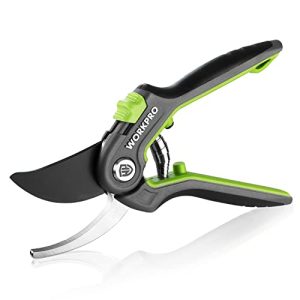
Dead branches hinder your bonsai’s growth. Removing them can improve the tree’s health. Use clean, sharp scissors to trim away dead parts. Cut close to the trunk without damaging it. This encourages new growth and better air circulation. Inspect your bonsai regularly for any new dead branches.
Repotting Considerations
Repotting helps revive a struggling bonsai. Choose a pot that allows the roots to breathe. Ensure the new pot has good drainage. Use fresh soil to provide essential nutrients. Gently remove the bonsai from its old pot. Trim any dead roots before placing it in the new pot. Water the bonsai thoroughly after repotting. Keep it in a stable environment for recovery.

Credit: www.reddit.com
Preventive Care Tips
Preventive care is crucial for maintaining a healthy bonsai tree. Understanding the needs of your tree helps prevent browning and ensures vibrant growth. Regular maintenance and monitoring plant health are key to keeping your bonsai thriving.
Regular Maintenance Practices
Water your bonsai consistently. Ensure the soil is moist but not soggy. Overwatering can harm roots, while underwatering leads to dryness.
Prune branches regularly. This encourages new growth and maintains the desired shape. Remove dead leaves promptly to prevent disease.
Choose the right soil mix. It should be well-draining and nutrient-rich. This supports healthy root development.
Place your bonsai in suitable light. Most bonsai need sunlight, but avoid harsh midday sun. Too much direct sunlight can scorch leaves.
Monitoring Plant Health
Inspect leaves frequently. Check for discoloration or spots. These can be signs of pest issues.
Feel the soil. It should be neither too dry nor too wet. Adjust watering habits based on soil moisture.
Look at the roots. Healthy roots are firm and white. Brown or mushy roots may indicate rot.
Watch growth patterns. Slow growth might signal nutrient deficiency. Use fertilizers sparingly and according to species needs.
Listen to your bonsai. Changes in leaf texture or color can indicate stress. Address environmental factors promptly to maintain health.
Frequently Asked Questions
How To Fix A Brown Bonsai Tree?
Trim dead branches and leaves. Ensure proper watering, avoiding overwatering. Provide adequate sunlight. Check for pests and treat promptly. Use balanced fertilizer sparingly.
What Does An Overwatered Bonsai Tree Look Like?
An overwatered bonsai tree often shows yellowing leaves and soft, blackened roots. Soil may appear constantly damp. Leaves might drop off, and the tree could exhibit signs of mold or fungal growth. Proper drainage is crucial to prevent overwatering and maintain a healthy bonsai.
How Do You Revive A Dying Bonsai Tree?
Check soil moisture regularly; ensure it’s not too dry or soggy. Trim dead branches gently. Provide adequate sunlight and humidity. Fertilize with balanced nutrients. Monitor for pests and diseases diligently.
How Often Do You Water A Bonsai Tree?
Water a bonsai tree once the topsoil feels dry. Check soil moisture daily. Avoid overwatering. Adjust frequency based on species, pot size, and climate. Consistent monitoring is key for healthy growth.
Conclusion
Brown leaves signal distress in your bonsai tree. Pay close attention to water and sunlight. Check soil moisture regularly. Adjust care based on season changes. Poor drainage can lead to root rot. Trim dead leaves to boost health. Understand your tree’s specific needs.
Each species has different care requirements. Watch for pests and diseases. They harm your bonsai if ignored. Proper care results in a vibrant, green tree. Patience and observation are key. Your bonsai will flourish with time and effort.